• Fushimi-Inari

    IMG_0750

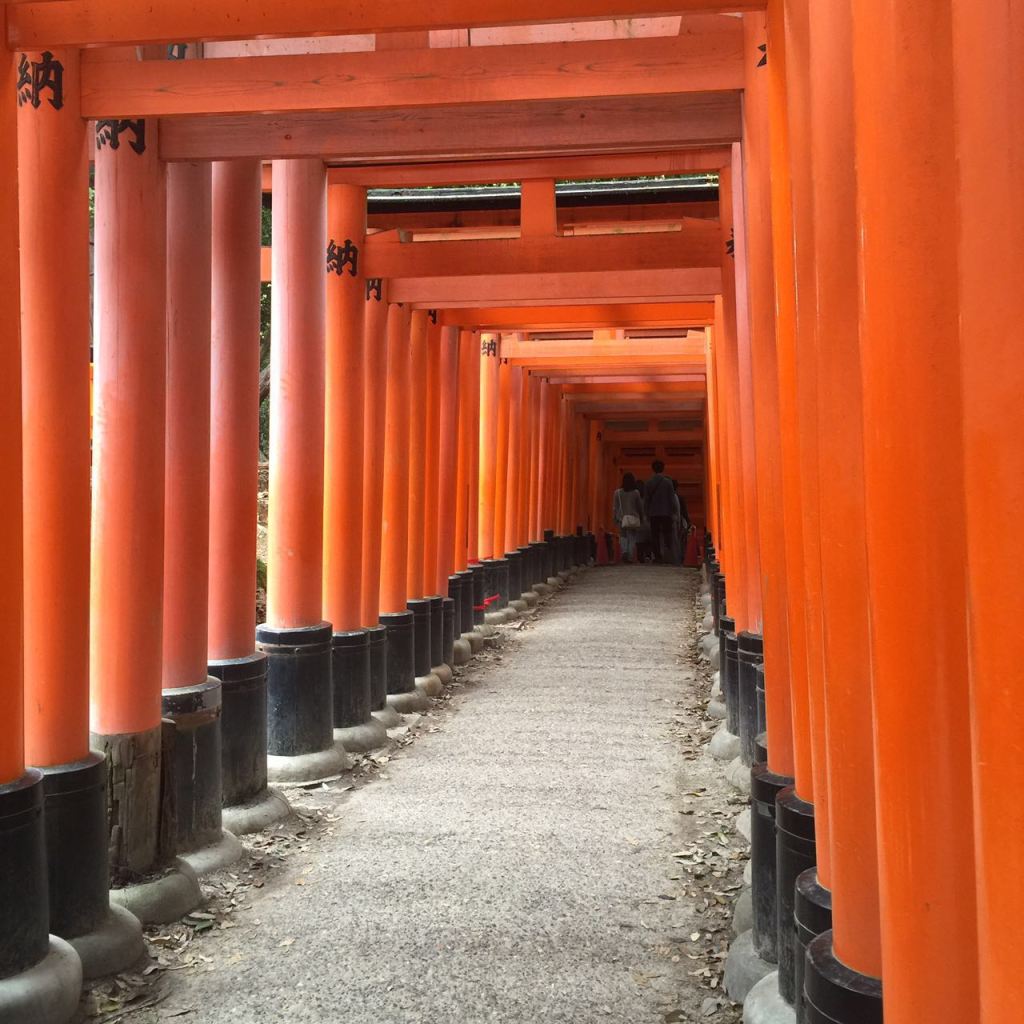
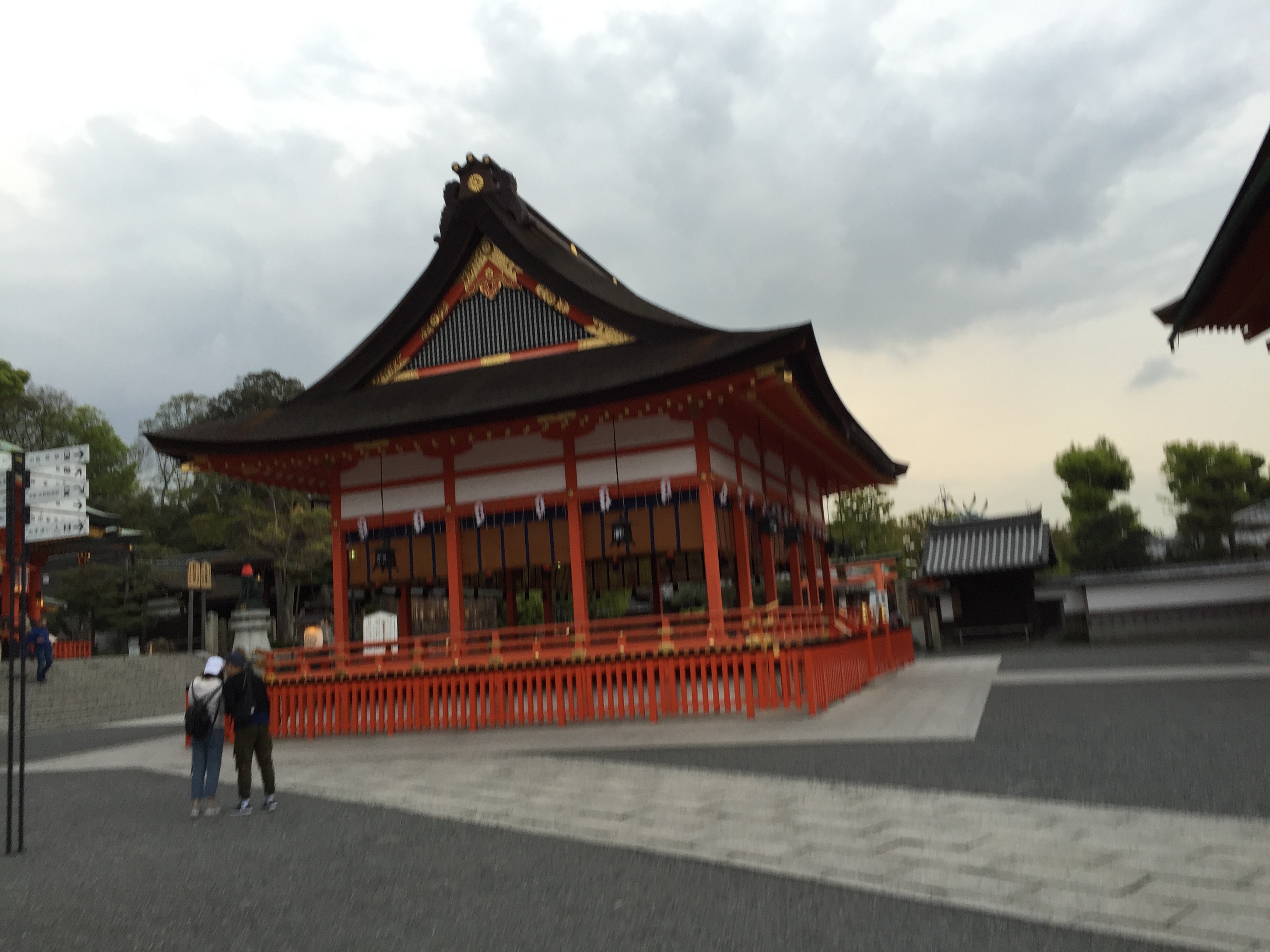
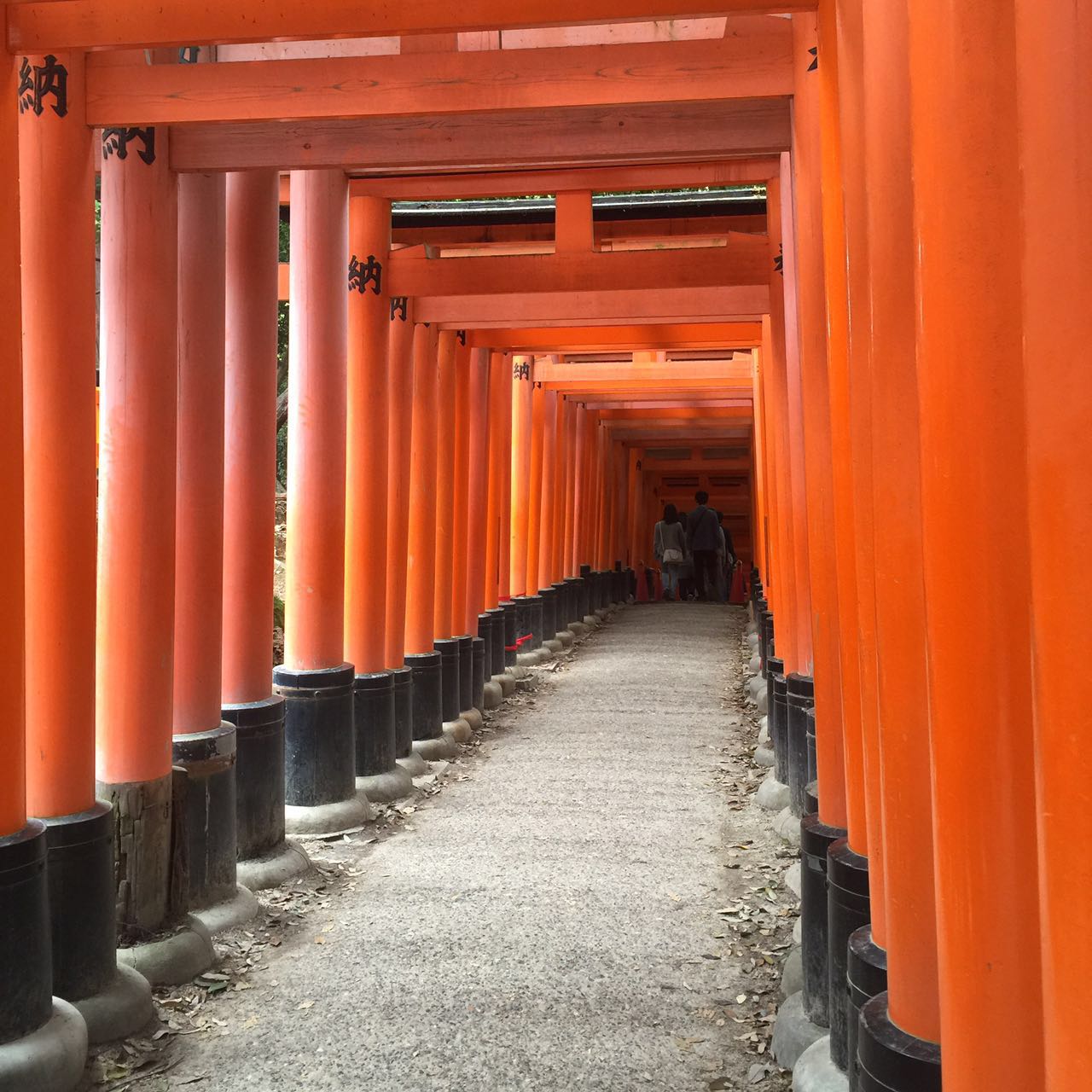
    Dotted by torii or the effervescent orange gateways, the Fushimi-Inari is the head shrine of Inari located in Kyoto. Inari, a patron of business, merchants and traders was widely revered by businessmen who donated the torans or gates in patronage. Coloured in black and a bright orange, and framing the way up to the shrine, the gateways make for a heady climb upto the shrine. Foxes were mythologically believed to be messengers to the higher Gods and hence the capitals of all the walkways are crowned by the animal engaged in different activities, sometimes hunting, sometimes eating or sometimes just engaged in a hobby all gaily decorated with the stars.

    Located on a mountain that is also called Inari, the shrine sits at the base of the 233m high mountain that also includes a list of smaller shrines all the way up to the summit. While shrines on a mountain top are not a lost phenomenon, the brilliance of Fushimi-Inari and what makes the experience absolutely unmissable are the torii that give one a merry company on the hike up the mountain. As a form of colour therapy, the blast of orange it fills in with exuberance and enthusiasm by the end of the hike up and down. The clear mountain air, or rather simply the clear air of Japan and the spotless environs, the high trees contribute to the stark experience of the shrine. The hawkers and vendors by the dozens outside the shrine are only proof to the popularity of the shrine.

    Traditionally the Japanese hardly use colours other that the palates of brown and cream, hardly in contrast, but when they do, they do well. For the average orange lover Fushimi-Inari is a treat to the senses, for others its still a gorgeous spatial experience cause afterall who can resist the beauty of rhythm. Like the scales of a musical instrument in action, the torii take a winding path and as one walks through the very many torii that snake through the to the mountain top the sense of scale rising and falling is strangely therapeutic and the sight of orange is largely invigorating.

    IMG_0710

  • Miho Museum

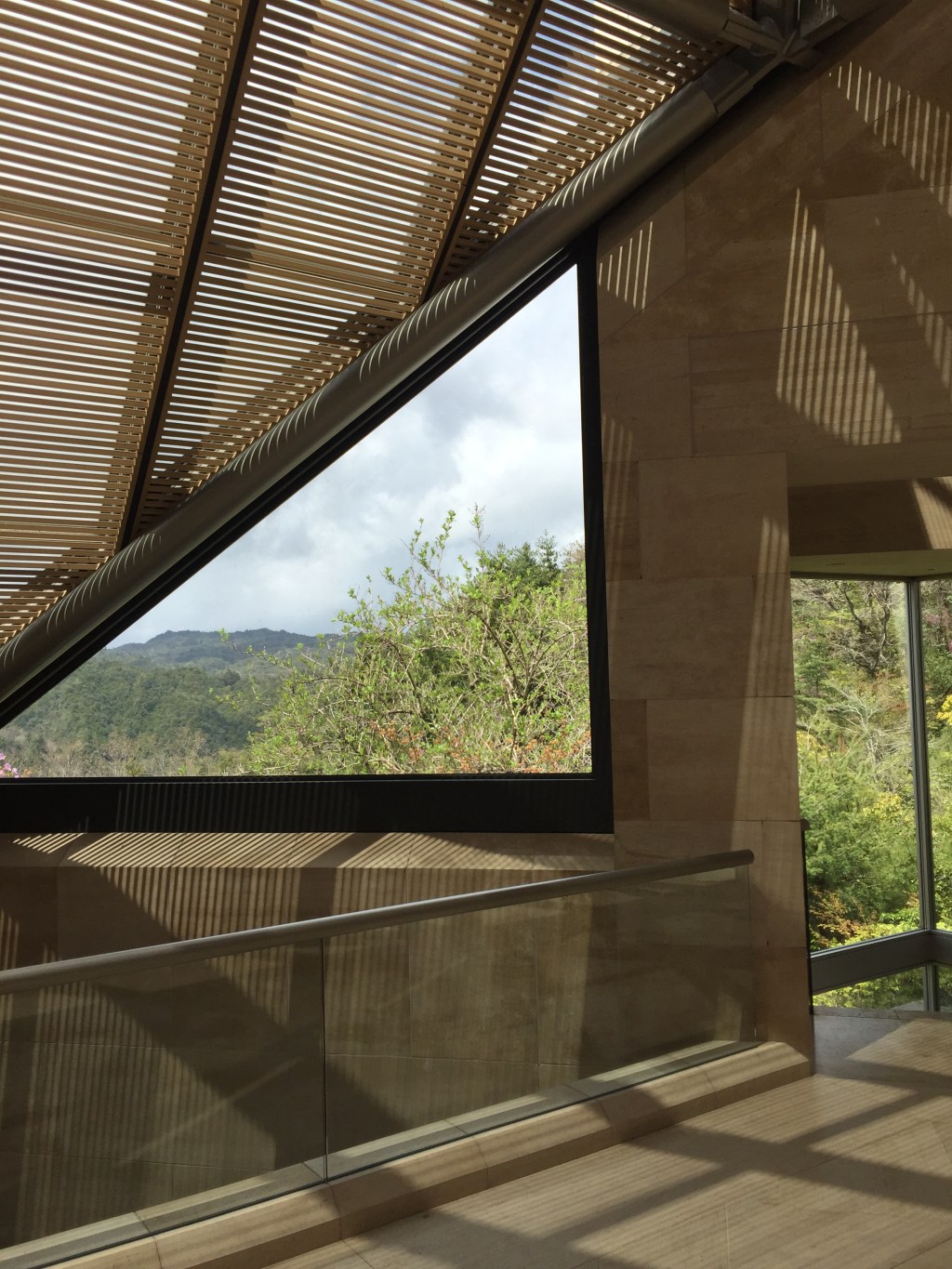
    Inspired by a fictitious tale titled, “The Tale of Peach Blossom Spring”, a very popular Chinese folktale, legendary architect I M Pei designed the Miho Museum to the South-east of Kyoto, near the town of Shigaraki in Shika prefecture. In one of the rare cases of architecture seeking inspiration from a literary piece, the museum architect as Pei is popularly referred to crafted the much beloved Louvre and was appointed by the rich-business woman Mihoko Koyama to make real her dream museum. The Shiga mountains, which is the site of the Miho Museum is ecologically very diverse, boasting of a landscape surreal of rural Japan. Pei then envisioned a building that would tie in to the existing surrounds as effortlessly as possible. The excavated site area was then refilled and replaced after the construction of the museum that is 70% topped by the landscape. Through levels and the natural slope of the terrain natural light and ventilation is assured within the spaces.

    The Japanese are renowned for their love of wood, light-weight roofs and lighter palates that are lively and soothing in equal measure. Pei crafts a complicated triangular roof structure using metal framework and wooden slats laid out in clear proportions across the entire roof. The interspersed slats let in ample sunlight dressing up the Italian marble splurged across the floor in a delightful wonder. The colours of beige and a playful brown are stark against the green landscape but the cherry on this taupe cake is the grand entry way to the museum, a large play on the senses and derived from the literary inspiration wherein the subject is drawn into a certain way of thinking before experiencing the space.

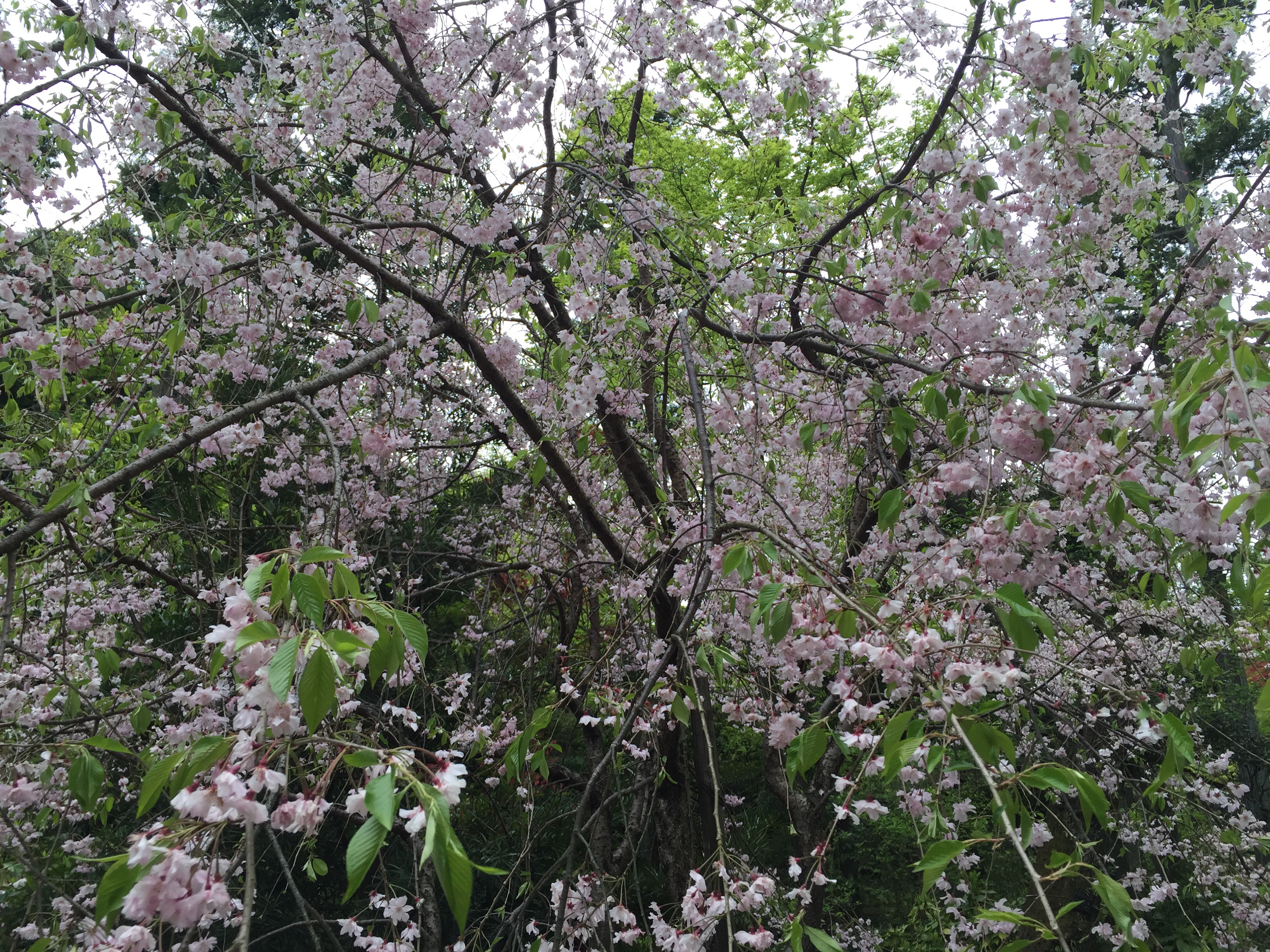
    Though the drive itself into Miho museum is equipped with suspension bridges and dotted with cherry blossoms, the drama only just begins from the drop-off to the museum where one is greeted by a radially laid cobblestone expanse a directional pathway flanked by the drooping cherry blossoms, a phenomenon in April. The fluttering cherry blossoms in pretty pinks make for a grand welcome towards a cave cutting through the mountain. Inside the tunnel the copper sheets deflect light while their perforations absorb sound silencing the myriad of chatter before presenting the proverbial light at the end of the tunnel and the Miho Museum at the far end.

    At the museum the exhibits are curated from all over the world, the documentaries and the seating pods are enthralling as are the outside views. The love for art or the love for beauty are touted as the main inspiration for the museum and its endearing to hear the young Ms Koyoma declare the Miho museum as the most beautiful place on the planet.

    This slideshow requires JavaScript.


    As Pei says, “Design is something you have to put your hand to!”

    P.S the literary inspiration

    “Once upon a time there was a fisherman in Buryo, East China, who was fishing by a stream in the mountains and accidentally found a wonderful orchard full of peach trees in bloom. Impressed by the beauty of this springtime scene, he continued paddling to the end of the grove, where he noticed a ray of light coming from a small cave at the foot of a mountain. He jumped out of his boat and entered the cave that, through a narrow road, led him into a splendid town with a beautiful countryside and hospitable people who welcomed him for several days.”

  • Ando – san

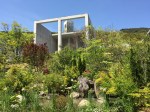
    Tadao Ando is a poet and his renditions in concrete are simply but frozen musical wonders, adhering to the proverb of architecture being frozen music. The pilgrimage to works of Tadao Ando or Ando-san as he is respectfully addressed is an inspiring one. His attention to detail, love for concrete and purity of massing make for spectacular architecture. Though starkly distinct from the surrounds and not reflective of the traditional vernacular Japanese architecture, the buildings crafted by Tadao are  reflective of a deeper philosophy of the people of the island country. Less is indeed more here and each line is deliberately laid and addressed to create an experience in the average building user. An experience that is reminiscent, uplifting and entirely positive. While water is another beloved element in Ando’s architecture, he uses creepers, greenery to add chutzpah and liveliness, making the stark cold concrete come alive with natural elements. Ando’s architecture is best set under the blue sky, punctuated by creamy white exteriors or even the warmth of wood.


    The Garden of Fine Arts, Kyoto

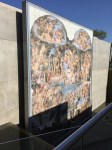
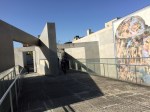
    Finished in 1990, the Garden of Fine arts in Kyoto with its tangential axis offers a rather peculiar division of space within the rectangular site. Add to the disorientation a masterful play of levels, the sound of gushing water, Rembrants and Monets on large size panels sometimes on the huge monolithic concrete walls or at other times immersed in water and you have a space that creates a Zen moment, brings one down to the here and now. And the fact that Ando successfully forces one to meditate, to be present in the moment (installing Japanese soulfulness), creating a sense of wonder makes this urban garden of fine arts a rather delightful exposition.

    The Hyogo Prefectural Museum of Art, Kobe

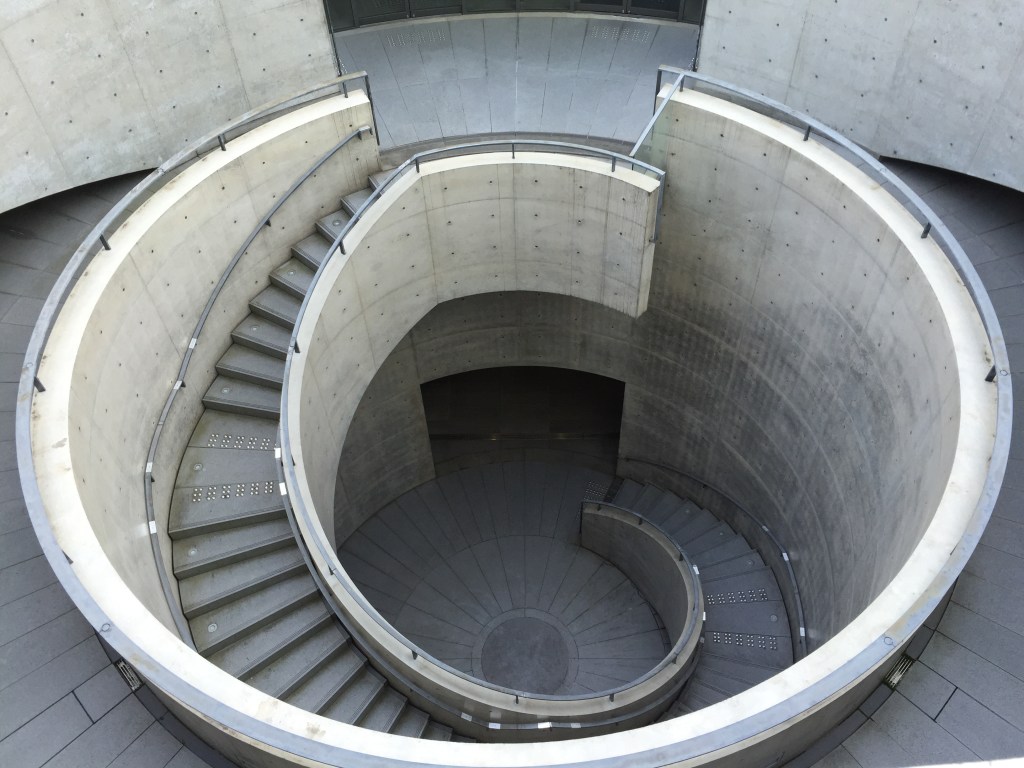
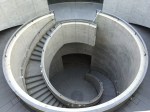
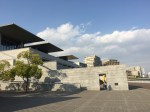
    Characterised by fingers reaching out to the waters of Osaka Bay the Hyogo Prefectural museum of Art in Kobe has an oddly serious air about it. The massing split into three solid volumes are imposing holding fort Japanese art. Ando creates sombre spaces across the interior spaces closing in the interior spaces with large doses of grey. The rather tomb like quality of the interior spaces hardly do justice to the art it houses. However in the outdoor spaces, complemented by grey-blue skies and multilevel circular ramps and stair-way connections between the levels create dramatic inward looking spaces. The building is supplemented by minute attention to detail and the grey concrete in rectangular proportions. The museum also holds Tadao Ando’s works, a permanent exhibition showcasing a replica in scale of the Church of Light. In an ingenious show of scale, with less being more, Ando dissects the simplicity of spirituality in the guise of religion.

    The Water Temple, Awaji

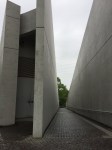
    Marked by an ingenious division of space the Water Temple is by far the favoritest of the Ando creations. The beautiful island of Awaji is marked by it’s clear blue skies, beautiful flowers and a largely happy populace. In such gay times, prayer is also a rather happy endeavour, from wherein stems the graceful of the temple. A short steep climb later the visitor is greeted by a concrete curtain with a walkway cut-through and another guiding the route into the temple. A trait every great architect employs to ensure how their architecture is read. The descent down to the temple is flanked by a lotus pond that rests on the roof of the temple. The lotus flower is symbolic of a lot of great qualities irrespective of its environs. The temple’s prayer hall is rolled in bright orange walls, lending a blast of colour to the otherwise grey interiors. Warm wood, freckled pebbles and a cosy interior is what definitely lends character to the beautiful Water temple in Awaji.


    100-stepped Garden of Awaji Yumebutai, Awaji

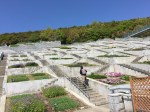
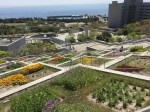
    Best topped by the bright blue sky, Ando’s 100-stepped garden of Awaji Yumebutai is a treat to the senses. Apart from the administration, cafe and awe-inspiring internal spaces, the 100-stepped garden ascends up over the many turns of spaces across the property. The ascent up to the gardens is flanked by a gushing water-body that flows down in a controlled cycle, controlled my measured and well-proportioned architecture. The stepped fall is detailed with an oyster shell motif base set in concrete. The steps up are enclosed in equally sided square geometry holding flowers of various types from across the world. Once up above the view down is stunning, with a host of flowers looking up at the viewer. The aural experience of water from under the garden is highly sensory.


    The Sayamaike Historical Museum, Osaka

    Built to showcase the agricultural technology of Japan, the Sayamaike Historical Museum in Osaka is located by the Sayamaike Pond, an artificial reservoir dating back to the 7th century. The museum is dedicated to the ancient water engineering technology and boasts of relics that allowed the Japanese to tap water successfully and grow the staples on the well-endowed islands. Ando uses his favourite natural element of water in the built form. The experience of approaching the building is speckled by the fall of water and a core central axis. The attention to detail, as always, is immaculate, and the walk through the museum is made lively with naturally lit inner spaces.


    Chikatsu-Asuka Historical Museum, Osaka

    Hosting a collection of Kofuns, or tombs of the Japanese emperors, the museum presents the scaled models of mega imperial-tombs that pretty much redefine the space that one takes after death. The building is conceived as a hill and its stone paved roof is envisioned as a an enormous stairway that may be transformed into a stage, a a lecture-hall or simply a viewing deck. In his trademark style Ando employs the tatami-proportioned concrete casts, high volume spaces, wooden punctuations, drawing in light through elaborate skylights, windows in glass. For once water is conspicuous by in absence. Built to tread softly on the environment, the museum records the Age of the Tumuli.


    From the horse’s mouth:

    “I believe the way people live can be directed a little by architecture” 

    &

    “When I draw, the hand and the brain work together” 


    I couldn’t agree more!!


  • Suddenly at a noted monumental structure I watched a woman click away incessantly at something that caught her fancy and I thought, all those pictures, first on her phone, then her system, then instagram and then all over social media, all that information, well something I would do too. Quite normally, this incessant desire to share, this information overkill, this desire to be not-forgotten, this relay of personal information all over social networking, this sharing of opinion rather over-sharing of information dulls out the life of the moment. The moments spent on documenting life for future reference kind of shortens the joy of the present or even the sadness of the present, its like constantly taking notes in class instead of simply being in the moment and listening. What a pity!

    True one can always look back on the gazillion journals, the impeccable documentation with pride and understand for the record musings of the past. Drawings for instance, or work for that matter. It would be selfish to not share one could argue. After all information is power, and lending power to others is a noble thought. But psychologists say its not all facebook’s fault, oversharing often happens when we try to control our anxiety! There you go, its all a matter of comforting our nerves. The ease of storage of data makes one hardly filter, purge or weed out and keep only what is absolutely essential, much to our chagrin inspiring the hoarder in us! The art of curating needs to now make a steady comeback.

    Its true, the best moments of my life, the most memorable ones have happened when I didnt snap a picture of it coz you can guess where exactly my mind was then – in the present! Not planning for a documentation of the future. Life isnt meant to be documented and looked at, its meant to be lived in the present, and happily.

    image

    P.s lessons on the road. Urban scape. Roadspirations.

  • The capital of Japan and home to over 30 million people, Greater Tokyo is a mega-metropolis, one steeped in history and doused with a salubrious dose of technology like little else. It also is unapologetically and brilliantly, Asia, thereby making it a cauldron of values, that are specific to the eastern part of the world. The first impression at Narita and one to follow suit until much later is how spotless and neat the entire city is, a defining characteristic of such a huge city. And how mannerful Tokyoites or rather Japanese people generally are! Manner-ful and melancholic ofcourse, like the air of gloom is governed by the mature approach that everything is impermanent, and subject to great change, the attention to detail, whether it’s the minuest change in weather, the shifting of winds or in design. Though walking with an air of seriousness, and very proper, when asked a question, the denizens break into an instant smile, answer the tourist’s frenzied query, nod, help, at times walking all the way and strike up a very polite conversation, that’s mostly to the point before bowing graciously and getting on their way.

    img_0195
    Women with rose-tinted cheeks, bows, scaling high-heels, mostly false eye-lashes though sometimes not, and men in business suits, Hermes belts and man-bags, dot the landscape of this mega-city each day. Raking in a GDP that was at one point, sometime in the 90s the highest in the world, the Nikkei even surpassed the New York Stock exchange then. Though this is the second decade of what can be termed as a recession in Japan, the capital city remains one of the most expensive cities in the world! As people teeter about clicking heels, the Shibuya crossing mimics the Times Square as one of the busiest crossings in the world. The mega-brands scream out through inventive hoardings selling not just a brand but also a persona. The nearby Shibuya station also pays respect to Hachiko the dog whose faithfulness to his master is legendary. An example of how the canines are such a figure of popularity in Tokyo! Sitting across of Tokyo’s very own Harjuku Champs Élysées in the Omotesando area watching the cars zip by and people walk past, I was greeted by such beautiful and friendly dogs taking a long stroll with their very indulgent masters! The walk to the Nezu museum is a treat as one is greeted by flagship stores that boast of inventive and innovative architecture just as much as symbolise a design identity. Miu Miu, Issey Miyake, Prada are just a few who show a philosophy and a take on good design, competing not just with merchandise but even in architecture. It literally is fashion’s architectural runway unfurled out there in Tokyo.


    The Nezu museum is breathtaking in its extreme simplicity and hence sophistication. The finesse of design gathered is supplemented by well planned structure with integrity and poise, a perfect underscore for a genius creation. Irises on display at the museum with the exquisite waka poetry is a must see, along with the scroll that reads right to left and the estate of a beautiful Japanese garden on the huge property. But Tange’s architecture details trumps any collection that the museum may have, the landscaping with all the beautiful, moss collected and deliberately placed plants create an aura and force the ascent of zen moments. Rolling Stones gather no moss, is not the point, the point is understanding whether you’re a stone, a babbling brook, a tethered leaf or a full blown maple tree, and being okay, accepting the you that’s you! Dr Suess did get it right with his rather famous quote!! Much refreshed by the beautiful architecture and the even more stunning garden with quaint tea-houses, the brooks, the waterfalls, spouts, koi ponds and the art the rest of the Tokyo design experience is truly thrilling. Personally I did dig Tange’s exquisite detailing even apparent in a simple bench, and one that translated into every aspect of the building! Walking back on the very upmarket street, a short detour to the Sunny hills is totally worth it, a birdcage of a structure with nearly blocked teak wood.

    Issey Miyake’s overcoats were stunning as was the Miu Miu rain chain with ingenious detailing to drain rain water! Ahead on the street, Hugo Boss sports an exposed concrete structure, Tods, experiments with concrete and glass while Chanel brings in a medley of wood, glass and concrete, my favourite on the street was Chanel ofcourse. The others worthy a mention ofcourse are the Tokyo plaza, with a stunning rooftop, Louis Vuitton, Coach, and so many more, making the road to Harajuku an architectural runway I tell you! Much later in the evening Ginza sported the same vocabulary with the same stores displaying a whole new design, retail design does not literally get better than what is around in Tokyo, both individually and collectively! In Ginza the Itayo store, Armani, H&M create a glorious impression as do the Caretta Shiodome and the much humbler Capsule tower.

    img_0271-1

    Of food, the hectic day of architectural delights and wonderful sights not to forget  the cheery cherry blossoms in April, were punctuated by what are strong recommendations now, the Crepe at Cafe Crepe, Hot Chocolate at Cup Cafe and Vegan Ramen at Ramen Street in Tokyo station. The crepe is stunning, the Strawberry cheesecake crepe is delicious, the Hot Chocolate as energy-giving and forgiving as ever and the Vegetarian Ramen with broccoli, carrots, cabbage, porcini, topped with a boiled egg, stewed in carrot and tomato purée and a basil paste is absolutely divine!

    With so much commercial and retail aspect to Tokyo, the very modest parts of it could be greatly overlooked but cannot be missed. Like the Bunkyo residential area for instance, home to the St Mary’s cathedral and the Shinto shrines that dot the neighbourhood. While the cathedral is spell-binding and a poetry in concrete the Shinto cemetery is rather grounding and a place of reflective solitude. The confluence of the present and the departed, a rather grim reminder of the present and the recollection of how one’s time is limited, long or short. The bell tower of the St Mary’s cathedral is a hyperbolic expression that calls out to the heavens, Lord good God, bells curated in Germany but designed to echo the Japanese sentiment. Covering over 26 km in a day, duly recorded by my ever efficient phone, the entire experience of feeling up architecture in Tokyo and mind-blowing design intelligence guarantees an adrenaline rush, that keeps one going for more and more, one that kept my body absolutely sane inspite of the sudden half-marathonic adventure  and sleepless gushing over the sights of the day!

    Tokyo, once Edo, nowadays city with many many layers is delightful and mysterious, modern and old-world, funky and dignified, spotless and clean, tied-down and free, all the same. It is if not anything else a testimony of time, of nature, of human nature, of resilience, of survival and of holding fort. A city that was massacred by ruthless acts of God, typhoons, tsunamis, fires and ruthless acts of man through world-wars and fights for empires. But yet a city that rebuilt itself everytime, forgetting each time the past, the Japanese for instance feign a memory loss each time the world war 2 is mentioned. A trait that helped it grow anew each time, a trait that makes it a crucible for constant innovation, experimentation and delightful observation that scintillates the senses at every turn and every corner. The city that chugs on with its huge populace, that is clean, efficient, culturally inclined, is firmly rooted, aspires for a future that’s greater than its past and that is learning and teaching at the same time!

    As I type this on the Shinkasen Nozomi or the fastest bullet train in the world, rather the fastest consistent bullet train touching about 250 kmph over superceeded once by the French TGV, having a sense of déjà vu, I can’t help but wonder how Tokyo puts an optimistic twist on the Japanese philosophy, that if the traditional belief holds that nothing is permanent, the modern belief lies in the living in the moment. That may well be the very essence of life, and the true purpose of living!
    img_0113

  • There is no better way to learn than at the Smithsonian! From art to flight, from the natural world to the science fiction aiming at the future, the Smithsonian group of museums in Central DC are every bit informative as they are fascinating. Lined up along the axis from the Capitol Hill to the Lincoln memorial the museums are a wonderful extension of the public space alongside the cherry-blossoms blooming in all their glory. As a planned city, Washington DC is winning with its urban design, high score of walkability and powerful buildings. But like a lot of world capitals the commanding buildings lend to a loss of human scale, a fact balanced by well marked footpaths and pedestrian avenues. The circuit buses running frequently in a loop save some of the walking but the city is undoubtedly best experienced on foot. Again with so much to see at the Smithsonian, one takes more than a day to largely imbibe the store house of information. For the plane loves the museum of flight is a treasure house, but the Museum of Natural History is definitely the best of the lot.

    And once done with understanding the earth, living specie, how man has evolved, what the future has in store for us, basically a confluence of high school biology, chemistry and physics, the gemstone gallery with the notorious Hope Diamond, the photographs at the National Geographic exhibit make one stop and take a good look at how beautiful our planet and the world really is. We do live in a beautiful world, much as Coldplay’s lyrics go and the balance of nature is a miracle. Nature gives us enough, and is a tool of inspiration for everything that Man does, including art, science or the acts of annihilation! From music to visual art, principles of science to basic survival instincts, we are all greatly inspired and motivated by nature. And in the Museum of Natural History one begins to get closer to understanding the glory of nature.

    Along the central axis of Washington, along with the Smithsonian are also the war memorials, beautifully designed to be embedded within the landscape of the capital city. All the wars that the United States has fought is grandly remembered with an ode to the soldiers in stone. But overlooking the Washington monument, the memorials, the museums and the centre of legislature at large is the Lincoln memorial commemorating the greatest president of the United States. His work for civil rights, abolishing of slavery has definitely made the world a lot better place to live it. He did leave it better than it was, pre-Lincoln time! Moreover personally am impressed and hence inspired with his ability to rise above every failure in life to finally succeed as the President of the United States. Of all capitals in the world, Washington is the most spectacular, with no history to be chained by, it wins with its alacrity to the future, to its ideals. It was literally a blank slate, a green-field capital city, and every monument is a vision to ideals, to a country that takes the values of liberty, equality and fraternity quite literally.

  • Fifteen years and a dozen world capitals later I’d still say New York is the greatest city ever, an adjective attributed to it mainly because of the sheer energy the city holds forth and displays! Its energy, enthusiasm and dynamism is what makes it very beautiful and charming. While my love for the city does not sprout from the very many sit-coms based in the city or even FRIENDs for that matter, it does come from the love for those vast skyscrapers, the cheery Central Park and meticulous urban design, one with heart and soul. As home to the Chrysler Buildings, the most beautiful skyscraper in reference to it’s art-deco spire and proportion, New York boasts of buildings that add beauty to the cityscape and denizens who are stylish, professional with the joi de vivre for life in general. The vegetarian falafel wraps for lunch or the North Indian meal for dinner at an A rated restaurant, mini-bite sized cupcakes for in-betweens, Magnolia bakery with its lemon cheesecake and reese for that chocolate fix is just enough energy to match up with the New Yorkers!

    Manhattan, one of the five boroughs is literally the hotbed for action, with something up every corner or a place of significance at every turning, there is a lot going on in this densely populated city of the United States. The New York apartments are known for housing celebrities like Lady Gaga, Donald Trump and the likes, they are even known for the very inconvenient concept of match-box living! Tiny apartments mean public places become extremely valuable, like the Central Park, a beautifully landscaped park right in the middle of Manhattan all equipped with its own zoo! The mid-town as it is called is vastly different from the wall-street holding downtown and Tribeca. Though the financial capital, New York has it’s share of art, making it a paradise for the average culture-vulture. The cosmopolitan character of the United States is further amplified in New York. In food, clothes or art there is a regality in the city that makes it a microcosm of the world at large.
    The circle line ferry presents the skyline of the city inadvertently and at the same instance showcases the Ellis Island and the Statue of Liberty, almost giving the impression what a novice immigrant may have had in the early 1900s while setting foot for the first time into the land of opportunity. Traditional jews are not an alien sight in the city, who even today on the day of Sabbath or Sunday, shun the use of electricity. Dressed in crisp traditional garb they are constant features in the urban-scape of the city and have been since time immemorial the movers and shakers of the financial capital of the world. To be fair I missed seeing even one over-weight person in NYC, if not for my lapse in vision it may have something to do with the tiny living spaces! Crisply dressed, bagel eating people make their way to work, make their contributions to the betterment of the world, let loose in the evenings, and get home after being treated to the visual sparkles of the lit up town. It is a different way of life, all big cities are, idyllic in its own term and busy in its own term. Its not like one cant sit on a bench and watch the world go by just like in the outback but its just that one wont. Just like energy, human ambition is contagious. There is always more to do and more importantly energy breeds energy.

    What is truly amazing is that the city is never sapped of it’s energy, right from the 1800s! There seems to be no loss of enthusiasm in New York or the New Yorkers for living, for doing things, doing them right or doing them wrong, for going from one success to another or one failure to another with an iron-clad grid-locked sense of enthusiasm and thats where I think the city is a rather grand success. Several recessions, collapses, attacks and political insignias later too, New York trudges on open to the world, experimenting and coming up with something refreshing every signal day. Unlike other big cities it does not boast of a particular bias of its own towards art, literature or culture but is a melting pot where each vertical bounces off the other to get better. The wolves on wall street, the pop-stars of Tribeca, the entertainers on Broadway or the average artist in Brooklyn all contribute to the city, that magnifies human instinct and sustains with passion the zest for life.

    Its too big, its too active, its too fast-paced, its too extreme, its too stylish, its too effervescent, its too spectacular, its a world of hyperlatives, its a place of superlatives, the address for the tallest, the leanest, in buildings and people, its the manifestation of several hundred years of styles, architectural styles, fashion styles, trends and classics. Even today there is flurry of construction activity, urban redevelopment, gentrification. Mayor Giuliani did his bit in cleaning up New York, and today its a city with much lesser crime rate for a big city, albeit a fellow who did try to grab by bag(!) and didn’t succeed thankfully, its a lot less alarming! A price we pay for a society that has unemployment and rising costs! However the city does have its charms, and as the populace return to surrounding suburbs looking forward to a peaceful weekend or evening, the charms of the city are quite inescapable. Whether it sets you in a tizzy, or gets you overwhelmed, the big apple with its towering skyscrapers or laudable architectural marvels like the Guggenheim or the High-line add a fizz to human existence. From up on the observation deck of the Freedom tower New York looks like a concrete jungle, with only buildings, buildings and more buildings, but take a walk on the streets, the human scale is retained quite observably and the line of sight catches a tree or two at a palpable distance. Do not judge a city by its observation decks, alone, but by the sense it renders while walking through its streets, the energy it rubs onto to you, the vibe it gives, cause energy does not lie!

  • Broadway off Time Square is every bit of the glitzy entertainment estate it is said to be, and while experiencing the every changing and buzzing with energy square is an experience like no other, so is watching a broadway musical off Times Square. As the bestie and I went got our tickets at the TKTS, having secured happily ones to the longest running musical, we set off to watch Webber’s genius in action.

    The sets and music of the opera were stupendous, with some real goose-bump generating visuals, the story as is known of love and all its myriad glory caught on the senses transporting one into a world of the dead and the living. The Opera-Ghost or Erik as he is called is equally mystifying and disgusting as the living dead man, while Raoul plays the perfect prince Charming and Christine the damsel in distress! The concept of the story, with the costumes and the sets add to the charm of the actors who have their act all put together.

    With Erik neatly set to peace and no phantoms in the offing, or ghosts to be wary of, we set out in total appreciation of the play, especially the music of Webber, enjoying every bit of the play. The histronics of drama setting forth the joy of wonder and awe of creative genius!

    As a blast from the past, do give this tune a listen!

  • The Met is undoubtedly the greatest museum in New York, not for it’s architecture (which reservedly is the Louvre), but because of its sheer volume of art, the diversity and the unbelievable magnitude of its collection. While I first read and imagined the museum through Donna Tart’s novel The Goldfinch, my first and later subsequent visits to the museum are memorable all the same. Its a place that cannot be seen in a few hours and as we kept going back to the Met we were greeted by different forms of Art, a showcase of what mankind is capable of. As an avid art-lover, especially one into paintings of the Impressionist and post-impressionist eras I loved seeing my favourite works of Van Gogh and Monet at a foot’s distance! While others drew on their love for crafts, furniture, history and even armoury(!).

    The pantheon style domed roof at the entrance lobby is entirely a reflection of the Renaissance style of architecture that the Met employs, as is the dominating exteriors. After several modifications best suited to curate and showcase the collection over the years, the interiors of the Met has been modified to include several mezzanine floors, glass overhangs and a whole lot of design interventions. The American Art side showcases the most popular, Washington Crossing the Delaware, a noteworthy painting that celebrates the moment of American revolution sparking off a new country, and several well-crafted furniture that the 1950s were filled with.

    IMG_9703

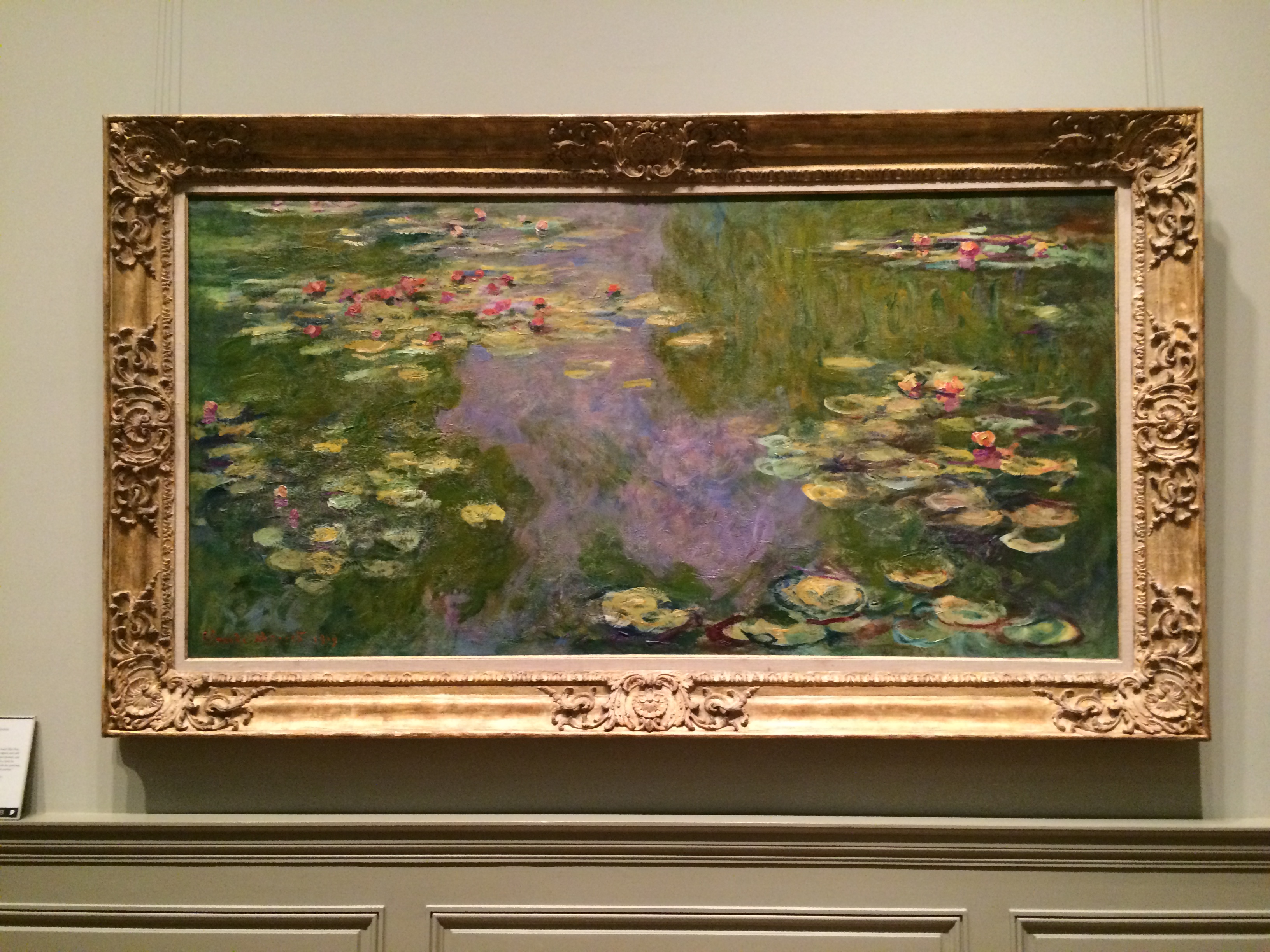
    In fall, the Met had on display a rare Egyptian collection, enabling us to get a view of the life of the Pharoahs! Though the museum shop is filled with exquisite and smart replicas of the art, curated to perfection on everyday items we could certainly do with. The European art section of the Met was personally a delight mainly with Monet’s Waterlilies and Van Gogh’s self-portrait and the Oleanders. The Met is one of those rare museums that holds something for everyone, with vast array of collections and a diversity in delight. Art is a whole lot of things, but it mainly is something that lends beauty to life, meaning, colour, purpose, a fine refinement that marks the finesse of a civilisation. Einstein’s genius is what developed the Atom bomb said a Picasso once, Art however is the process or product of deliberately arranging elements in a way that appeals to the senses or emotions, therefore largely a matter of appeal!

  • If there are only two things that you could see in the United States, then make sure those two things are the glorious city of New York and the natural falls of Niagara said one, and he couldn’t have been more right than ever. In the state of New York the Niagara falls offer a beautiful sight of a tabular water body suddenly descending by a vertical drop of over 165 feet into the Niagara River. The three combined falls of the Horseshoe falls, the American Falls and the Bridal Veil falls, located on the Niagara River that further drains into Lake Ontario has the highest flow-rate of any waterfall in the world.

    Not driven by prejudice and hardly seeing any pictures of the falls is a great way to approach the falls! Also advised is a trip to the 1000 islands close-by for a prelude to the falls and a glimpse into the country-homes of the richie-rich of New York. The house owned by the Macy’s family is a pretty sight as are many other in the zone. Some estates in the 1000 islands area are testimony to modern architectural times while others signify the olden era, built to pay tribute to the erstwhile masters. And after a day of island hopping, the brother and I grabbed a black and white cheese pizza, at Buffalo before heading to the falls the very next day.

    The beauty of the falls is a visual treat as is the sound of water crashing down the height. There is something utterly delightful about water-walls, and something spiritually uplifting too, as the aural effect of water serves to push away thoughts from the mind and bringing one into the very moment. A trait noted architect Tadao Ando uses in his architectural explorations too. Nature is almost always the perfect inspiration for architectural marvels in the world and the Niagara Falls are no less. While we made a slow trip to the three falls and later walked across the sky-deck overlooking the gushing falls, I couldn’t help but marvel at the delightful act of nature and be smitten by water in action! The Falls were a creation of receding glaciers, specifically the retreating Wisconsin glacier during the last ice-age. Well, a befitting example of beauty in tragedy, changing climes, and a take on global warming. Silver linings anyone?!

  • Its time for a line

    with sugar and lime

    With sun in my eyes

    Lo! its summertime


    Of cheery toasts

    and wondrous woes

    With stars in sight

    across the night


    A pleasant sign

    of a cheery time

    Is a want of rhyme

    dozen a dime


    Of sticks and stones

    that break no bones

    Its a rhythm divine

    for the fiery clime


    A deep gold mine

    with tumbling signs

    And withering sights

    across white nights


    The joys of life

    come from thine

    A borough of jive

    in mirth sublime


    With reasons alive

    in buttery trine

    To jest in time

    and rest other hive


    To bubbly delight

    and shimmering light

    There’s always a time

    for a merry line


    With glittering shine

    from hues so fine

    A fine twist in time

    at tiding twenty-nine!

    a115c7b6723a341d4b93cec8b4454ffc

  • This slideshow requires JavaScript.

    Scaling a height of 1776 feet – the One, World Trade Centre, one of the buildings built around the WTC Memorial is a majestic sight in itself. Built to command a height in feet that commemorates the year of American Independence, the tower is also titled the Freedom tower. Though we first visited the tower on a rather misty day, with zero visibility from the observation deck, we simply had to go back on a clear day where the sprawling views sight almost till the north end of Manhattan! Built by SOM, the architects who pride themselves on skyscrapers and precisely the tallest building in the world, the Burj Khalifa, the Freedom Tower is the tallest building in the Western Hemisphere.

    The tower though quite simple in form, makes up with gusto with its structural stability, very elegant and classy interiors, path-breaking user-defined experience and ofcourse the rather gorgeous insight into one of the most energetic and hence beautiful cities in the world. Approaching the Freedom tower from the WTC train station is a treat by itself. The Calatrava designed station stands out with stark alacrity in pure white and is just as awe-inspiring as the tower itself. As a rather young teenager, my first visit to the original WTC is fraught with memories of gusty winds on the observation deck, that ballooned me up totally, and the sheer height of the tower which I failed to capture in my modest camera inspite of tilting back to a rather horizontal incline!

    Though 15 years later, the Freedom Tower did not impress by it’s sheer size, it did stun with a spectacularly documented and presented building experience. Serving more like a visitor’s centre to NYC, the Freedom Tower proudly showcases the architecture of the city, with information on buildings spread across Manhattan. The Chrysler Building for example, a very popular structure, once the tallest building in the world, for about a year, before being shadowed by the Empire State Building, was the real estate pride of the automobile moghul Chrysler. Till date it remains my, and a lot others favorite skyscraper, mostly popular for its quaint design and a plethora of old-world charm. The spire in steel is still an inspiration, over time! The Empire State Building, the pride of New York is another skyscraper that was for a decade, the tallest building in the world. The rise of an economy is showcased usually by towering skyscrapers. Though not the tallest building, the Freedom tower was envisioned with a lot more than numbers in mind. It echoes the sentiment of a nation, much like the WTC memorial, to stop, reflect, feel the void left by the untimely terrorist attack, and yet, use the experience to get better, not bitter, and grow to scale new heights. While the twin-towers of the WTC will sorely be missed, the sight of infrastructure building in New York, the resilience of the city is truly commendable. Without a loss of energy, downtown New York has rebuilt itself, getting even more spectacular in theory and practice all the same!

    Testimony to our times and a culture that never gives up or gives in, the Freedom tower experience is a result of beautiful design, structural integrity, determination, nerves of steel and a sensitivity to the past with a celebratory mood of the future. The way the city is unveiled to the visitors on Level 102 is spectacular, well sometimes, tragedy could spark growth, or rather creative genius, like nothing else!