• This slideshow requires JavaScript.

    Barcs as it is lovingly called looks like a dream at an elevation of 10,000 ft. Yes from the aircraft. The city in the early morning shines next to the aqua blue waters as the largest metropolitan on the Mediterranean Sea. My fellow passenger, a soul from a distant Catalan town of Girona couldn’t contain his excitement to show-off the city and its landmarks. Gaudi was an oft-repeated word in the conversation. But naturally.

    Upon touch-down, the airport hosts a warm welcome. It boasts of the fine lines and heavenly details that the contemporary Spanish architecture scene is famous for. Soon to realise that it only marks a beginning. Going by the fact that the taxi drivers welcomed us with a ‘namaste’ it didnt take us long to love the ‘scam city’!

    Christopher Columbus stands proof of the great journeys that the sailors of the land took, one of which found us the ‘land of opportunity’ too. With just 24 hours to spend in Barca, what would one do? Call friends in the city for sure!

    Settling into our hotel at La Rambla, we dug into the warm Spanish Omlettes comprising of potato cubes folded into the whisked egg mix. And rightly raring to go, we hit the streets. Our first stop – the Cathedral, upon reaching the plaza in front of the Cathedral we were greeted with bustling people holding hands and doing a traditional dance. Little children in costume posed for pretty pictures, the carnival mood was surely on. Making our own little circle we danced as well soaking in the festivities.

    A quick peek into the Cathedral later the agenda was to hit the town. A walkathon would rightly describe it. Our hosts quickly made a route taking one through all the landmarks of the Grand city. Such a pity that the city stays largely shut on a Sunday, the Spanish surely know how to relax and rightly chill. The public buildings though (read the Gaudi buildings) are fortunately open. As Pranay and Natalie walked us through the innumerable plazas and surprise by-lanes, narrow cobble-stone streets, the city came alive as the day drew on. Loving long walks would only add to one’s delight in Barca. La Rambla during the day is no different than the night. Yeah yeah the regulars will disagree but hey it was a Sunday. In the cool wintry climes, trees bare to reveal architecture in all its might.

    The first thing that strikes me is the uncanny resemblance the urban planning first seems like that of Paris. Well actually the impeccable grooming of the French Capital takes a hike here. Its just a bit more chilled, a bit more relaxed, cutting, well all the corners. The octagonal junctions with chamfered corners make the junctions and nodes that bit more friendly, the pavements as the centre stretch flanked by roads and then again by walkways literally put the pedestrian in the spotlight. And the pleasure in walking in made kinda obvious. On the blessed day with blue skies, the sun up and cool breeze we made our way to Marmalade (a special entry on much recommendation). Graffiti on the inner lanes may exhibit a lot of vandalistic tendency, but the people surely had a lot to say. I wouldnt imagine why one would spend all their talent to spell out ‘idiot’ so artistically. Political agenda, maybe.

    Marmalade is a typical brunch place, an obvious favourite with the expatriates in town. Spectacularly I stuck with a Hot chocolate and filled in for the Gaudi revelation.

    Walking across town, the Le Pedrera came first. All is well but from afar the skull shaped balconies were definitely a little creepy. Gaudi lovers please dont pick up the vase yet, I do have a lot of amazing things to say. The Pakistani and Indian stores that remain open on SUndays are a boon! Just saying. Anyway the cranes surmounting the unfinished Sagrada can be sighted from a lot of places in the city, we discovered as we walked. Something that was quite endearing about Barca is that unlike Paris, the urban design does not seem to dictate the vocabulary of the architecture. There are quite a few startling examples that wedge between erstwhile buildings. The architects do seem to have the much loved ‘free hand’.

    With all shops shut, the Land of MANGO and ZARA put me on a single minded agenda thereafter, it was called Gaudi.

    The Sagrada is quite unassuming in terms of its location, a turn here and a bend later there it was located right in front of a foyer of a green. A long Que. and an audio book later the lift took us up to one of the completed towers. The view of the city from atop is simply spectacular. And the beach looks inviting. And the breeze, super. There is that something about having the wind in my hair that I can absolutely not get enough of. Sigh. ANyway. Climbing down isn serious business!

    But once down, entering the Sagrada made an indelible impression on me. The quality of light, the arches, the windows are all at a completely different level. It is definitely one of the best examples of architecture, I would rate it close to the Pantheon, my personal favourite. As I tuned in the audiobook and soaked in the magnificent church I felt the b of bliss. Losing oneself in architecture is inevitable here. Remarkable how Gaudi spent over 40 years on his labor of love. Just as my ‘non-architectural’ Husband nodded his head in disbelief and disapproval. The facades are not all completed, Gaudi decided to give the younger architects a chance to leave a mark on his church.

    The front elevation is the last one that I finally saw, and well I didn’t really take to it. The skulls, bones and a romanticising couple, really Mr Gaudi??? on a Church front??? I get it, Gaudi is inspired by nature, I am too. But skulls on a building, quite dark I would think, quite twisted. AFter about a month now, while writing this I realise that skulls, bones et al are all a part of nature. Maybe Gaudi did have a point. How straight is the world really? But I must say, all great architecture may make you hate it or make you love it, but the reaction is never indifference. Thats where Gaudi wins. Over all the people who come to see his labor of love.

    Next stop was the Guell Park and a dekho at the lizard (????!!!) that Gaudi lovingly designed. The Park was great, another place the Barcelonians love to take a hike but the lizard, not for me. The Souvenier shop is cute though and highly fantastical. After the heavy dose, Gaudi is quite daunting, it was time to get some Paella and a bite of Tapas. La Rambla was the agenda. At the mercy of a cocky chap on La Rambla, we got scammed into a terrible Paella experience, since it tasted like Maggi! With that and a wonderful walk to end the day, the ‘scam city’ of Europe took its final bow as the curtains fell for us.

    P.s. One can never be the same after a brush with Barca. Even with a backdrop of impeccable historical vibe it doesnt overwhelm you, instead it tells you to chill, it inspires you to breathe, to slice into life with your passion, whatever it may be.
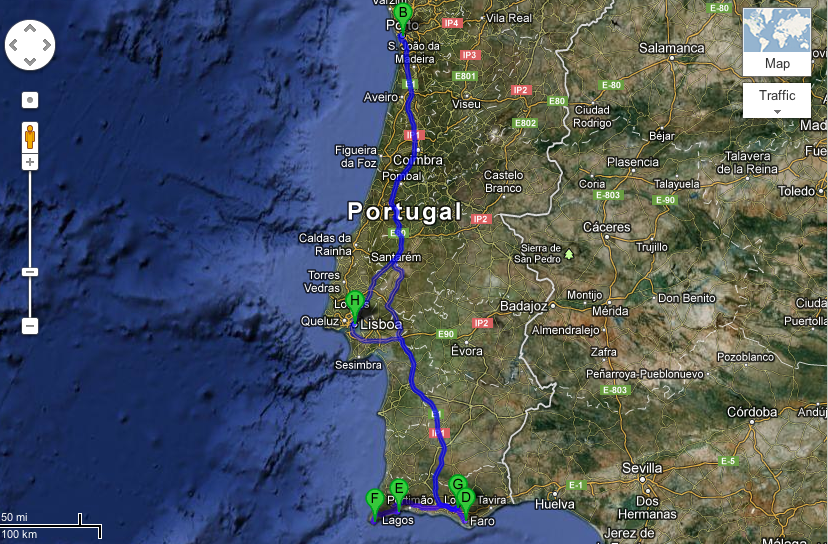
  • The historic town of Porto is Portugal at its charming best, it is classified as a World Heritage Site by Unesco and quite rightly so. Staying at a chateau in the suburban town of Alfena meant that we were roughly about 30 minutes from the city centre. The chateau came with two bedrooms, a den, living, dining areas, kitchen and luxurious en suites. In the compound was a swimming pool that opened up from the living room, tennis courts, garages! The energetic and vibrant owner stayed on the estate in a different building. Apart from the facilities we had access to on the estate were a chicken farm, a vegetable garden, an aviary, and a chapel, all built in the 1500s and equipped with a date-stone in etched in Roman numerics. Sebastian, our host took get efforts to keep us comfortable, and interestingly spoke over 11 languages except for English! So we played charades with him and sometimes with the use of IPAD translations conversed with the man aged over 60 but didnt look past 40. Taking it easy in life sure has its perks! His equally lovely wife indulged us as we posed for pictures in their living room that looked nothing short of an antique museum. Despite the distance the unique experience of staying at the beautiful location with warm hosts more than made up for the hard access. Self-driving to the city seemed like a great idea till we bumped into traffic snarls at Porto!

    The train from Alfa to Porto’s Sao Bento station is easy and convenient. Having read much about the Portugese art on the walls of Sao Bento I kept my eyes peeled to take in the art. The blue art work on the walls is very Portugese and soon realised that the whole town was decorated such. Walking through the streets the European proportions catch one’s eye. But by large there is a difference in execution. As buildings huddle next to each other the narrow cobble-stoned streets show great respect to the pedestrian, the ‘Tripeiros’ as Porto citizens are called rarely honk at a slow-coach pedestrian! It served me well as I kept staring into the facades of the buildings that looked completely different from each other in their make. Though there are several references to Haussmanns Paris, the facades of each building are treated much differently making the entire street much like a rigmarole. Possibly the sailors of Porto travelled far and wide, absorbing much of the places they travelled to and later put their unique experiences onto the facades of their homes. The patterns on tiles, the design of grills or even the treatment of balconies varied door to door. Add to the fact that all the buildings seem to reflect the attitude of the people and have no qualms of showing off their signs of ageing, whilst taking it easy!

    The closeness of the River Duoro, the river of Porto and the Atlantic Ocean are reminded on the streets of Porto by lovely sea-gulls showing off their magnificent wing-spans. A friend likened them to crows of India, but witnessing their white soaring wings against the blue blue sky I wouldnt have the heart to say so!!

    On a rocky terrain the hike up and down the city has one burning up all the Portugese diet on the menu. And the crisp winter air does turn one’s nose a bright red. But the walk down to the river is worth the walk infact, doing a walk-about is extremely rewarding as the sights of the city unfold. On the other side of the river is the Cais de Gaia or the district of Gaia. The new, hip neighbourhood of Porto. While taverns and cellars dot the river-side, the famous Porto wine is brought in from the Douro Valley and watering holes along the river do their bit in promoting the Portugese culture. A couple of boats line up along the river to showcase the transportation. A river cruise of the Douro can allow one to appreciate the rocky texture of the city from afar. Their seems to be an order in the chaos. Several bridges or ‘Ponte’s’ connect the two river banks on several levels. By now I realised that the Portugese learnt very well to use their terrain in their cities. Porto the second largest city after Lisbon shows one way of dealing with the terrain while Lisbon exhibits another.

    At the cellars one gets to taste a myriad of Portugese wine that are segregated into levels depending on the drinker. The wine-tasting experience is completed with a card specifically personalising an individual’s taste. Wondering why Porto wine is sweet I got a rather disappointing answer. I mean I was certainly looking for something more fancy than the, “its mixed with brandy”! Well with that the charm of Porto wine broke for me but nevertheless my fellow travellers seemed to love the wine. Even for a teetotaller the whole experience of a wine cellar was rather dreamy and exciting. The four steps to tasting the fermented grape juice is a whole science in itself and a rather bright career choice I am told.

    Along with the watering holes in Cais de Gaia are restaurants that play up to the hype and even better than that roasted chestnut sellers on the street. They were for me the best things I got to eat in Portugal. The roasted chestnuts are sprinkled with salt and make for excellent snacking variety in the cool winter sun. For lunch I stuck with buttered boiled veggies and french fries. Well my only other choice was the ever so available cheese omelette, but give me french toast, give me boiled eggs am so not an omelette person. *crinkling my nose* And yes the amazing varieties of cheese. At this point I may well warn you to administer the amount of cheese cause you may end up with an aversion after the trip.

    Taking on the convenient Red Bus city sightseeing tours, speeds up one’s trip time and allows you to see more or atleast choose your sights. Cafe Majestic, the museums and shopping can easily be covered on this bus. Next up was the Casa de Musica, the building by Rem Koolhaas for the performance arts. Koolhaas provides a major plaza in front of the building where teens and young people skateboard, bicycle and exhibit revolutionary skill level and control on anything with wheels. On the same plaza a music teacher orchestrates an impromptu performance with students of all ages and all kinds of instruments. The passing and stopping crowds including us made for an enthralled audience. I loved the building and did a bit of snooping indoors. Koolhaas rocks the interiors with stainless steel and engages the world outside through breaks and frames in the building.

    Driving by the new part of the city, there are many houses that catch one’s attention, most probably built by the legendary Eduardo Souto de Moura. No prizes for guessing who my new favourite in the architecture world is. The sense of scale, proportion and measure is explored extremely well and walking through his buildings one can see how he deservedly was given the Pritzker Prize.

    The beach had hardly any takers, given the cool waters but did make a setting to sit by. The most amazing thing to do in Porto is to take a walk, in the Park, on the bridges, on the streets, in the pavilions, across the museums, the galleries and possibly everywhere you can! Its one of those places that can largely be covered by foot and where you dont want to be stuck in a snarl, especially given the terrain! The museums usually hold events, the museum of wine had a special tasting event when we were there and getting hold of free passes may be a good idea.

    Each morning and almost always when hungry I would say go for the egg tarts, they may not be as good as the one’s in say Macau, or even Goa, but they probably are original! Sometimes the fusion versions in good taste so much better I tell you. Same in the case of (Indian) Chinese 😉

    The train service from Porto to Lisbon is fantastic and like the Husband rightly pointed out they use the technology that keeps the cabin straight irrespective of the bends or angles!

    Porto is much like any heritage town, so full of surprises and so full of amazing people. It may be one of those places that could be captured much better in a picture, cause words just dont seem enough!

    This slideshow requires JavaScript.


  • ImageTravelling to far off lands is always a fantasy, and Portugal seemed as far away as ever and similarly as fantastic as ever.

    Flying over a major ocean, handful of seas and two continents we reached the western tip of Europe’s Maritime capital’s bustling city of Lisbon. And probably the only place in Portugal that could fit the adjective. As ‘Take it easy’ and ‘laid-back’ may well be in the constitution of this country where a chilled-out attitude and a refusal to rat-racing seems like a brilliant asset. 

    Travelling to Portugal in late-winter has its charms and challenges. For one winter-wear is extremely fun, then its the time of the year when architecture comes to the fore-front as trees drop their leaves and bare out what I love to see, fewer tourists means more room in the city, there is absolutely no-frizz in the (h)air and boots are in the season. On the other hand lugging woollens mean inflated luggage, the bane of appearing like one reindeer Rudolph with the red-nose and the worst, when coming out of the warm fuzzing blankets is a herculean task. But such is the charm of winter which got me, a summer loving dudette, completely sold on the white shimmering hues of the season.

    The places touched upon in Portugal were Porto, Faro, Tavira, Sagrez, Lagos, Loule and my favorite Lisbon. In the following posts I recount the trip to a country so mild and so nautical not to forget friendly and warm. The Portugese people stole our hearts away as we played charades to converse due to a lack of conversant language. We did see where Goa got its awesomeness from and why it so reluctantly became a part of the Indian Union.

    I did try to learn some phrases in Portugese on the plane, for the record Emirates from Dubai to Lisbon was great, but ended up learning two very important ones, one Sin Carne, means vegetarian and two Obrigado, means thank you.

    And well ‘Oi’ is a hello! 


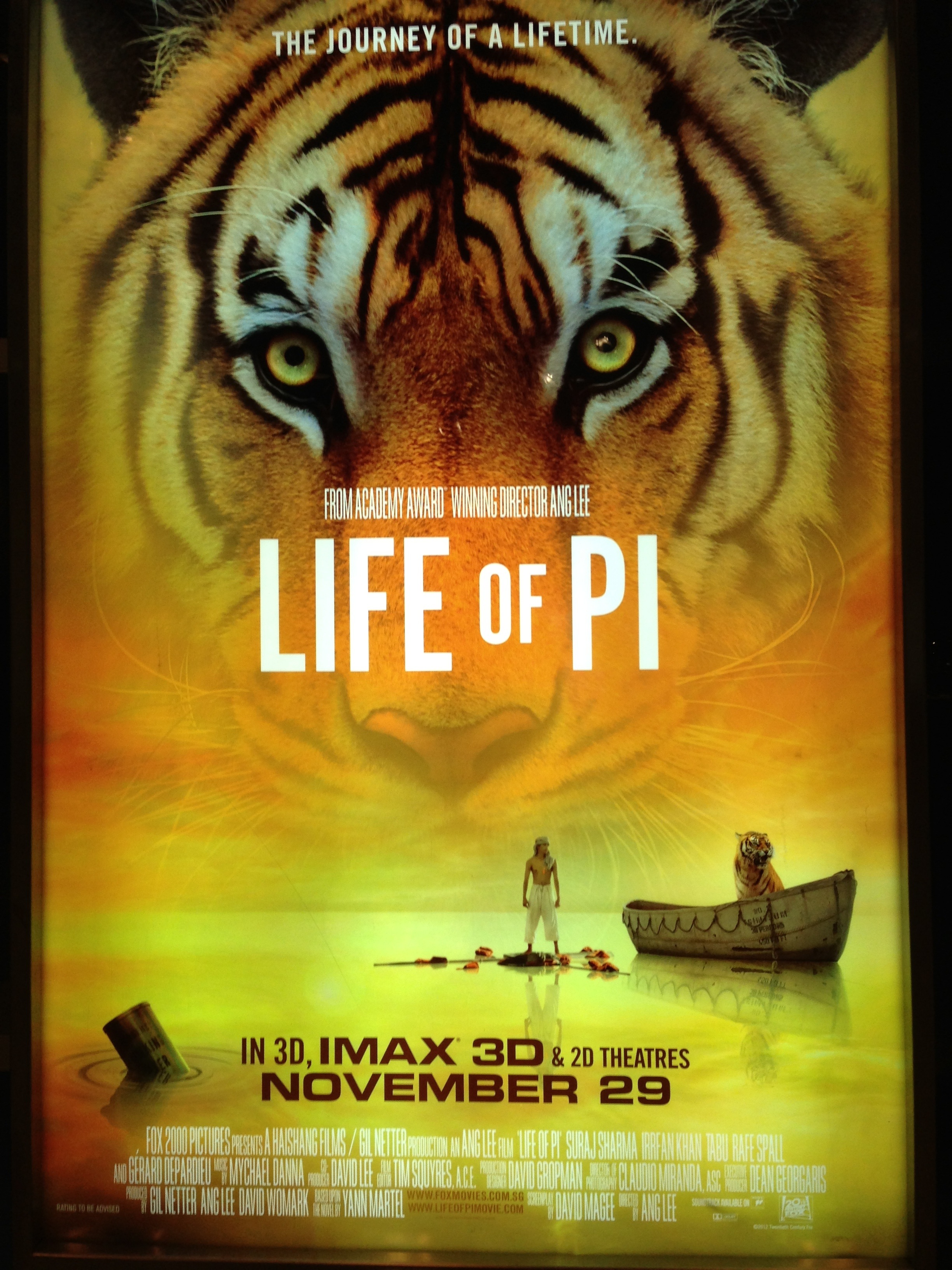
  • Pi Patel intrigues the audience first with a strange name and then with his strange story. The work of Yann Martel is presented on the big screen by none other the spectacular director Ang Lee.

    Patel’s charming beginnings at Pondicherry are depicted with tones of what makes India so marvelous, the diversity. From one religion to another the young Patel sways in and out of naming his Gods. With over 33 million Gods to choose from in Hinduism, to the mighty Allah and the forgiving Christ he is shown as a person of a highly God-loving nature. His very nature is apparently what serves him in the later part of the story. And the setting of the zoo and all the different animals is mostly very engaging.

    Bound on a ship to Canada, Patel is the lone ‘human’ survivor when the ship later wrecks due to a nasty storm. With him for company are a zebra, a hyena, an Orangutan and a fierce tiger named Richard Parker. The next few hours are a wonderful fill of spell-binding imagery. The 227 days that Patel spends shuttling between a raft he makes and the life-boat are fringed with dangerous encounters. When he strikes upon an island and is forced to leave upon finding that the island is carnivorous his sailing adventure begins again.

    The beauty of nature, largely at sea is captured beautifully, the flying fish, the playful dolphins and especially the sighting of a whale under the starry nights. Unlike Patel the audience is treated to the marvelous sights and spared from the bouts of sea-sickness or the harsh sun.

    The journey lends Patel to believe in God. He gathers many other life lessons of hope, being challenged, keeping busy, having a companion and specifically, the importance of letting go.

    If you are a reader, then the book is a must read. Martel writes well. Even so, watch the movie, even without a strong screenplay, its a visual treat. And if you do bite into a slice of Patel’s lessons, even better!


    20121202-192114.jpg

  • The genius mastermind behind innovative and inventive products of today was the star speaker at the World Architecture Festival in Singapore last month.

    In a largely dramatized act he shared with the packed and bursting-from-the-seams-of-the-hall audience his working process and some highly appreciated works. From the quaint red buses of London to the magnificient Olympic Cauldron and then closer home to the new institutional campus in Singapore he made his work sound so simple and so effortless!

    Total recommended reading -Making by Thomas Heatherwick!

    His charm worked on the audience who made an immediate beeline for Heatherwicks book. Signed by the maestro raised the value of the publication by several notches!

    20121107-111007.jpg

  • Hyderabad is the twin sister of my hometown, Secunderabad, but over the years the two cities have merged into one, well almost. Here’s an article published in today’s edition of the Indian National daily newspaper, the Times of India. Unfortunately I could not find an online link of the published article, but here’s the scripted version.

    And yes, its a bit longer than the printed one.

    A drive through the city of Hyderabad offers what could rightly be touted as a slice of the city’s glorious and diamante past, and what better narrates the story of the evolution of a city better than its architecture!

    Today enrobed in glazed facades and steely exteriors the face of the city has changed tremendously from the age-old bamboo stick building construction employed during the Mauryan reign.  But what is important to note is that the change has been more or less gradual, it is evolutionary in nature, and hardly a gimmicky, fast-sprung, unreasoned make-over.

    Architecture is quite literally the face of a civilisation; it largely depends on cultural, technological and economic imprints. It’s often about making do with what’s available, reachable or largely attainable whether in terms of construction materials or workmanship. The way materials are used also has a huge part to play in the final outcome of building. It largely levers upon the skill of craftsmen and a whole lot of cultural insignia. Different rulers build differently, at times merging completely diverse techniques to create a new style and different time frames bring about whole different meanings to buildings of their eras.

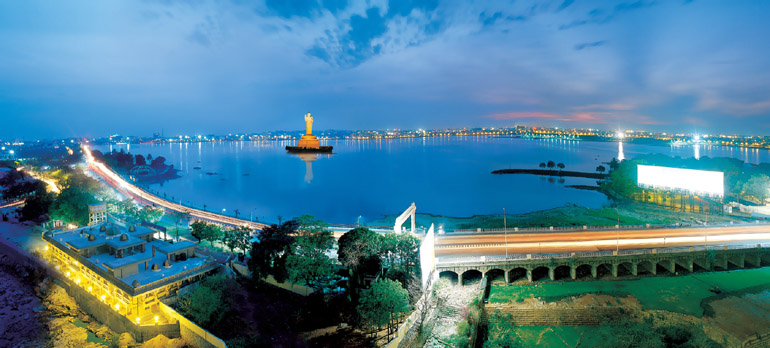
    The Mauryan Empire which was one of the earliest empires in the area mostly built with bamboo sticks, dried leaves, and mud. Barring the rock cut structures in the area surrounding Hyderabad; most of what were buildings then, were an assortment of rooms, zones or a combination of areas. It was the Buddhist period with a large influence of Asoka. When the Bahmanis struck chord after the decline of the Mauryans, there was a surge in the workmanship with stone. But the truly glorious period of architecture, the coming of a Hyderabad’s style unique began during the reign of Qutub Shah’s dynasty. Though the style is Islamic in content it is remarkably different from the Islamic Architecture seen in Northern India. The Deccan Islamic architecture saw a multitude of Islamic explorations with western styles and details. In the North the Islamic monuments were built by a blend of the Islamic ideals and requirements that were moulded in sync with the skill-sets of traditional local craftsmen, in Southern India and Hyderabad specifically the architectural styles were largely moulded on the western lines with Mughal ideals. The blend gives rise to a completely new style in form, some are labelled the Indo-Sarcenic while others are labelled Indo-Persian. It was during this time that the famous Golconda fort, a fine example of an impregnable fortress, an achievement at that time was built. It exhibits both architectural splendour and intelligence in equally fine measures. Having frustrated the furious Mughal emperor Aurangzeb, not just once but a couple of times, it was finally besieged by him only as an outcome of treachery within. The Qutub Shahi tombs are again fine examples of this period. The monument that the city is now very famous for, the Charminar was built by the Qutub Shahi Dynasty, as was the famous Hussain Sagar lake, though the Buddha Statue was added much later! All the monuments were built using lime and granite mortar. They also exhibit fine workmanship and detailing, an import, definitely from Persia.

    This slideshow requires JavaScript.

    During Aurangzeb’s reign and before the coming the Asaf Jahi or as they are fondly called the Nizams, the architecture scene was quite placid, a fact that could be attributed to the economic downturn. Consequently a period of glory was revived by the Nizams, under whose reign Hyderabad not only flourished but also it was then that Hyderabad’s twin city, Secunderabad was founded. The Osmania University, the Chowmohalla Palace, the King Kothi Palace, the Falaknuma Palace are few examples of the grand architecture during the Nizam age. The Nizam mostly patronised Islamic architecture, culture and the Indo-Persian style was hugely employed.

    During the same celebrated age of the Nizams, Secunderbad was built as a station for first the French and then the British troops. The Army barracks, clubs and homes in and around the younger twin of Hyderabad exhibits tremendous inspiration in architecture style from the English. Though the architectural ideals were direct implants, interestingly they do not serve as true replicas of the originals but are in a league of their own. The famous British bungalows can be found dotted across the Army Cantonment area even today. Wood, brick stone, lime mortar were used but the outcome got in terms of the British bungalows was quite different from the Hyderabad style at that time.

    Though the country had begun to devise ways to drive out the ruling British, the Nizam sought peace within the state even during the tumultuous period of India’s freedom struggle, whether it meant not taking an active part in the struggle or being the proverbial cat on the wall. But that very stance is probably what saved a whole lot of precious architecture from insane destruction. And thus Hyderabad today still has history punctuated within its developing urban fabric.

    With the coming of foreigners into the city’s precincts the trend of using western design ideals was much seen in shophouses, residences and a whole array of buildings. Again much use was made of brick and lime mortar. Rich merchants and tradesmen from the city made frequent travels abroad in the 1920s and 1930s, becoming highly drawn to the world art and architectural movements at that time and brought in these trends at humbler scales into their homes. Art Deco was one of the most popular trends in the city, it began in Paris in the 1920s and is characterised by streamlined building structures and boat-windows. Several examples of the Art Deco style of building are seen in major parts of the city. The houses and shops in Marredpally, Chikkadpally, Rashtrapathi Road are all shining examples of the Art Deco style of architecture, a style that that taken the world by storm at that time. The advent of the style into Hyderabads society is not exactly known but could also be attributed to the habitation of the French and the British troops.

    When the Nizam signed into the Indian Union and Hyderabad was to be made a state capital, the need for an infrastructure was sufficed through new public buildings. At that time the trend and in effect the answer was concrete. It was then that Ambedkar was said to have been thoroughly impressed by the city’s infrastructure and asked for it to be made the second capital of the country after Delhi.

    Many buildings were built during the years of independent India, from infrastructure to housing; to public buildings various styles were implemented. Old monuments built earlier were beginning to be used for other purposes without damaging its structure like the High Court and the Osmania General Hospital. Concrete, was then new and an increasingly important building material. Most of the buildings made of concrete slabs and frames were skinned with brick and painted or clad with stone. Granite was another obvious choice because of its vernacular nature.


    A feature that ranks consistently with the history of Hyderabad’s architecture is the penchant that the city has for improvising upon architecture from foreign shores. Add to that the fact that the borrowed ideas are not blindly followed but were applied intelligently to the truest sense of the word.

    The now upmarket Banjara Hills was actually previously the residence and hunting grounds of some members of the Nizam dynasty. After the 1950s, as India turned republic the area began to be plotted and sold as residence, the newer borough, Jubilee Hills was developed in the late 1960s when Challagalla Narasimham was asked to develop a “proper colony”. The Richie-rich ghetto before development was a jungle, well half a century ago! Today the area boasts of not only sky-rocketing property prices but is also a crucible of some fantastic houses designed by architects from the city and the country at large. Whether its sustainable light-shelves, or a seamless extension into nature, inventive courtyards or swanky studded quarters, the western influences are again applied cleverly are demonstrated here. The hills are dotted with beautiful parks and water bodies in a well-set rocky terrain, and could be nothing short of the famed LA mansions that of course if the weather is kind on fine days!

    In between in the 1970s, the famous white marbled Birla Mandir was built by the Ramakrishna Mission. The beautiful temple is perched on a rocky hill, it overlooks a part of the city, offers a mystical image during sunsets with views into the Hussian Sagar and was envisaged as a temple without bells that was to be conducive to meditation.

    After a couple of decades of steadily brewing architecture scene globalisation came knocking as the city warmed up to the dot-com boom. The adaptive city took the newness in its stride when a part of the city was rechristened Cyberabad and Hitec city, it was envisioned by the then Chief Minister as a means to fund the economic promise by offering employment opportunities to boost trade and commerce. The potentials are manifested as techparks, estates and huge multinational offices. Starting off with concrete, a tad of brick and glass the modern futuristic towers now have taken to and boast of several tints of glass, glinting over light and encapsulating the spaced out offices with much élan.

    And in the 21st century is the jewel like glassy Hyderabad airport that seems to be ideated by a largely alien or read western inspiration. As if to provide, a connect, from the touchdown into the city the newer construction are armed with glassy exteriors, sky terraces, and imaginative ideas. And going with the past today it seems like there will be no dearth of foreign influences on Hyderabad’s skyline, but hopefully they will continue to be applied as inventively as in the past if not blindly.


    Whether it’s the sparkling Hitec city, the old now humbled shop-houses, trading houses or the Richie-rich hill ghettos, a spark of ingenuity in architecture is found sprinkled across the city. And the evolutionary tale of the city’s history is not only one for the books but it’s something that is preserved with much attenuation as Hyderabad embraces its future without discarding its past. Touche, merci to that!

    As a postscript, INTACH the society for architectural conservation, estimates about 160 heritage-listed buildings in the city and figures that more than 70% of these buildings are in private hands!

    Right so, living in Hyderabad makes one, well, legendary!


  • This slideshow requires JavaScript.

    Painting is an extension of an emotion, an emotion spread out and about the spread of a canvas, a wall or well sometimes a whole ceiling. And if its a composition of nature then well really what better.

    Eminent artist SuryaPrakash paints just that in his latest series aptly tilted Verdant Vistas. His vivid imagination of nature from his travels all over the world are captured in an abstract yet compelling manner on pieces of varied sizes and textures. While at short-sight the collection exhibits intense application of talent developed over 40 years, at far they appear to have a very surreal depth. As if the winds are blowing faintly over the tree crowns, of if a sudden disturbance would create a ripple on the serene placid reflections. Sometimes its a blast of color impending from the backdrop while sometimes its a reflection of the pretty cherry-blossoms on an ever dissapearing act. With the stage set, the acts of divine creation of nature are captured surreptiously on a 6’x6′, a 2’x2′ or a 3’x1, and many different permutations and combinations.

    As with great art, it could only be truly appreciated in its true flesh and blood as against the virtual imagery. It certainly was a lovely experience for me and the husband, who found a fascination in the depths of the works. However here are some, but do find an opportunity to head down to the Arts House this weekend, to get a slice of natural imagery!

    Ad design II

    A Warning: My pictures here only give an idea and hardly do justice 😉

  • Creative people are vivid thinkers. Most likely because they simply have to be. And when the pressure of performance sets it, it’s quite a challenge.

    Here’s an interesting take by Elizabeth Gilbert, the author of ‘Eat, Pray, Love’.

    The author suggests that creative insight is best when attributed to a layer in one’s persona. A layer thats a part of the whole but a layer that is not essentially the whole and soul of the matter.

    Quite literally it refers to the act of ‘putting on your thinking caps’ to think differently, to think creatively.

    A designer I know wears a golf cap at work. Although not world renowned (yet) he has very cleverly learnt to use the cap to his advantage. Needn’t I say he is quite brilliant.

    But unlike a cap it could be anything. Some wear a scarf, others believe in a desk, some in direction. Well atleast tou know what to blame if meeting a block. Ahem!

    Elizabeth Gilbert’s take

  • The second biggest continent and the home to a plethora of the land-based flora and fauna, Africa is sure a tough nut to crack. We started the game hunt (figuratively ofcourse!) in Kenya, at precisely the Masai Mara. Tales from this knowingly lost continent are ever so mesmerizing as they are heart-wrenching. Nature at its purest form, one place where man’s domination is considerably lesser felt and the bearing of whatever would be the antithesis of Europe. A discovery that could put civilisation to shame. Or then maybe not! Well then, further on!

    Crossing the Indian Ocean from the east right along the equator brings one from Singapore right above a safari wonderland called Kenya. Nairobi, its capital city is probably the best place to start off with. Elevated at about roughly 1800 m over the sea level it is cool, pleasant and very unassuming. In July its winter, and on the streets are people well-dressed in suits and stockings marching their way to work. Ever so stylish! And a surprise. Well its not Paris, but there’s something about the dressing. Funny how that was the first thing that caught my attention. And then the hoardings. In India fairness is quite a virtue, so “Fair and Lovely” are slogans that dot the advertisements. But here was a “Dark and Lovely”. Ofcourse I must mention that it referred to hair. Well then just as I rolled down the window to capture a snapture, I heard the first of the species, birds. The lovely gulls flocking over trees, billboards, kiosks, migrating to cooler climes and creating a scene. Right in the middle of the city.

    And then there were more, with hardly ornithological interests I can hardly claim to name the creatures but sure it was welcoming!

    Our first stop was then Lake Naivasha, known for hosting the very pretty and lets say dainty Flamingoes. Frocked in pink and white the tumultous birds flock the lake at different seasons to form a sheet cover on the still waters. As they feed on the fresh-water fish the draftof flamingoes struck a lovely pose and while one flew on for the shutterbugs the other largely followed. Herd-mentality. Thats where it really comes from. Across the blue sky and feet over the silvery waters they framed the lake. The boat-ride bumps one into a family of hippos. Lazy creatures during the day they spend afternoons, grunting and swooshing water, along with the wide-toothed yawning! Well then the world does seem to be at peace on the pretty Lake of Naivasha. The drive had us stop at zebra crossings, oh well I meant as zebras crossed, or as giraffes set an idle stare at the moving cruzers.

    Well a moving Day 1.

    20120715-182347.jpg

    20120715-182445.jpg

    20120715-182846.jpg

    20120715-182906.jpg

  • The butterfly parks and gardens are ever so delightful. The Lil colorful creatures offer a visual panorama ever so lovely.

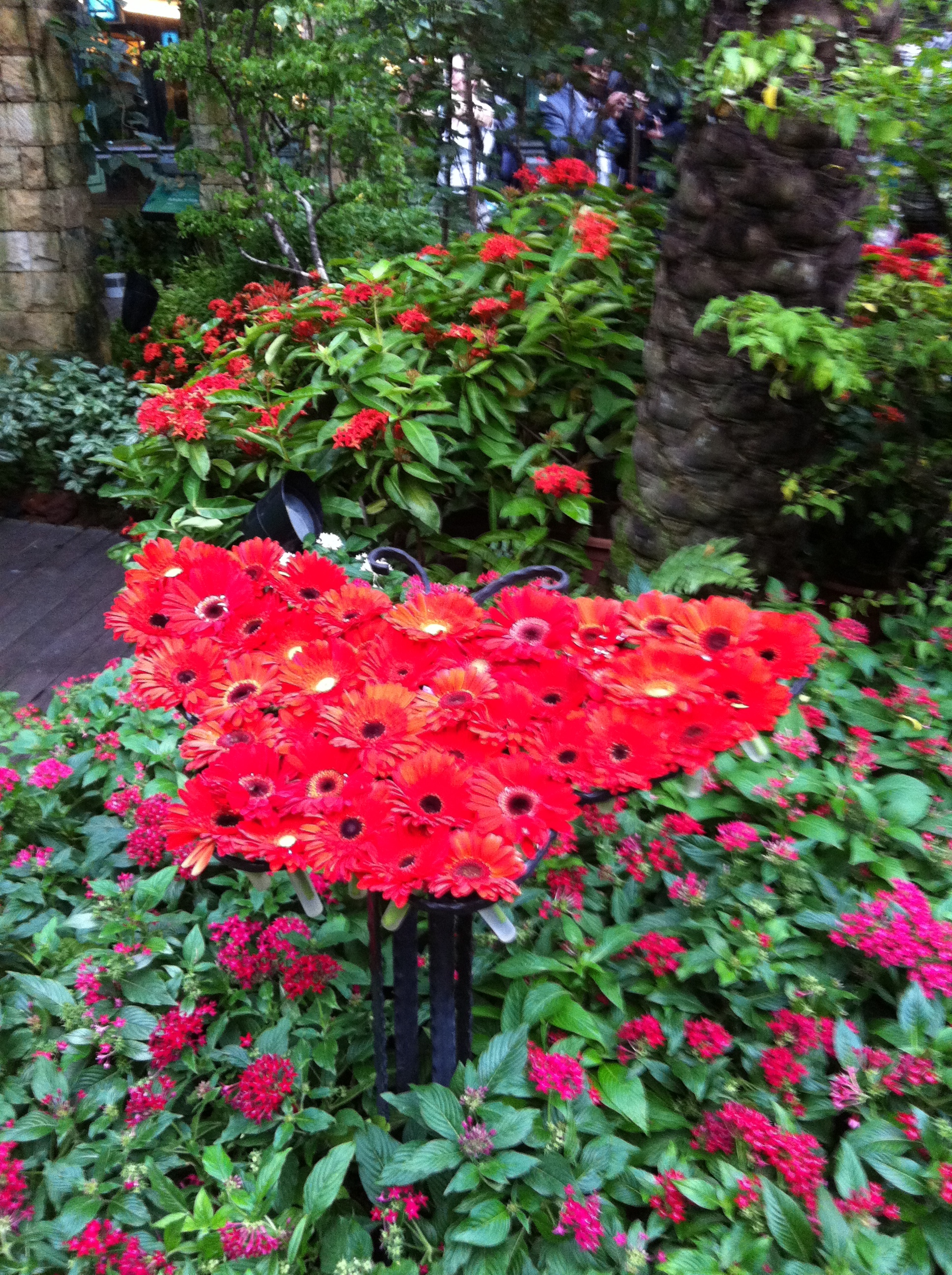
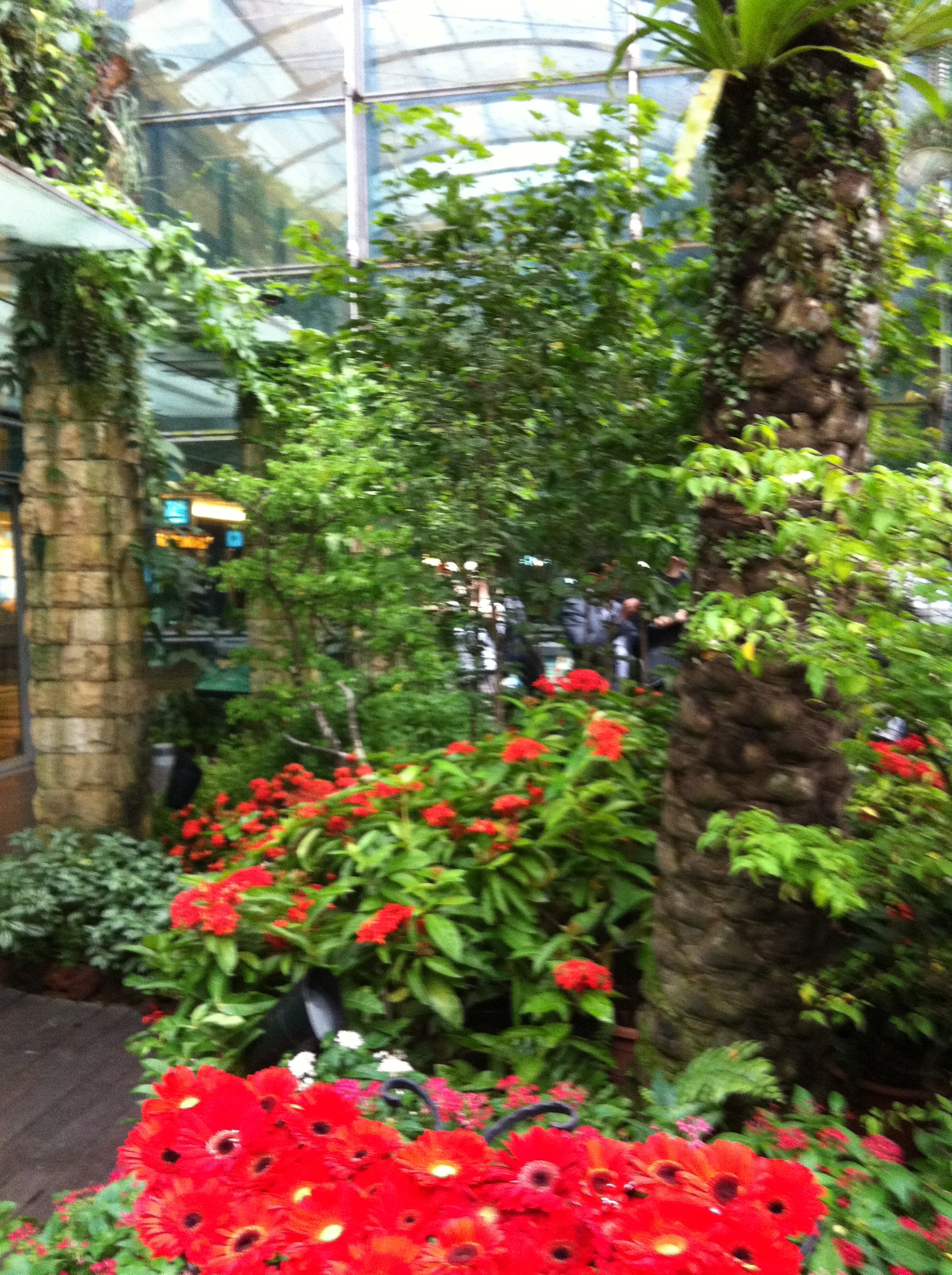
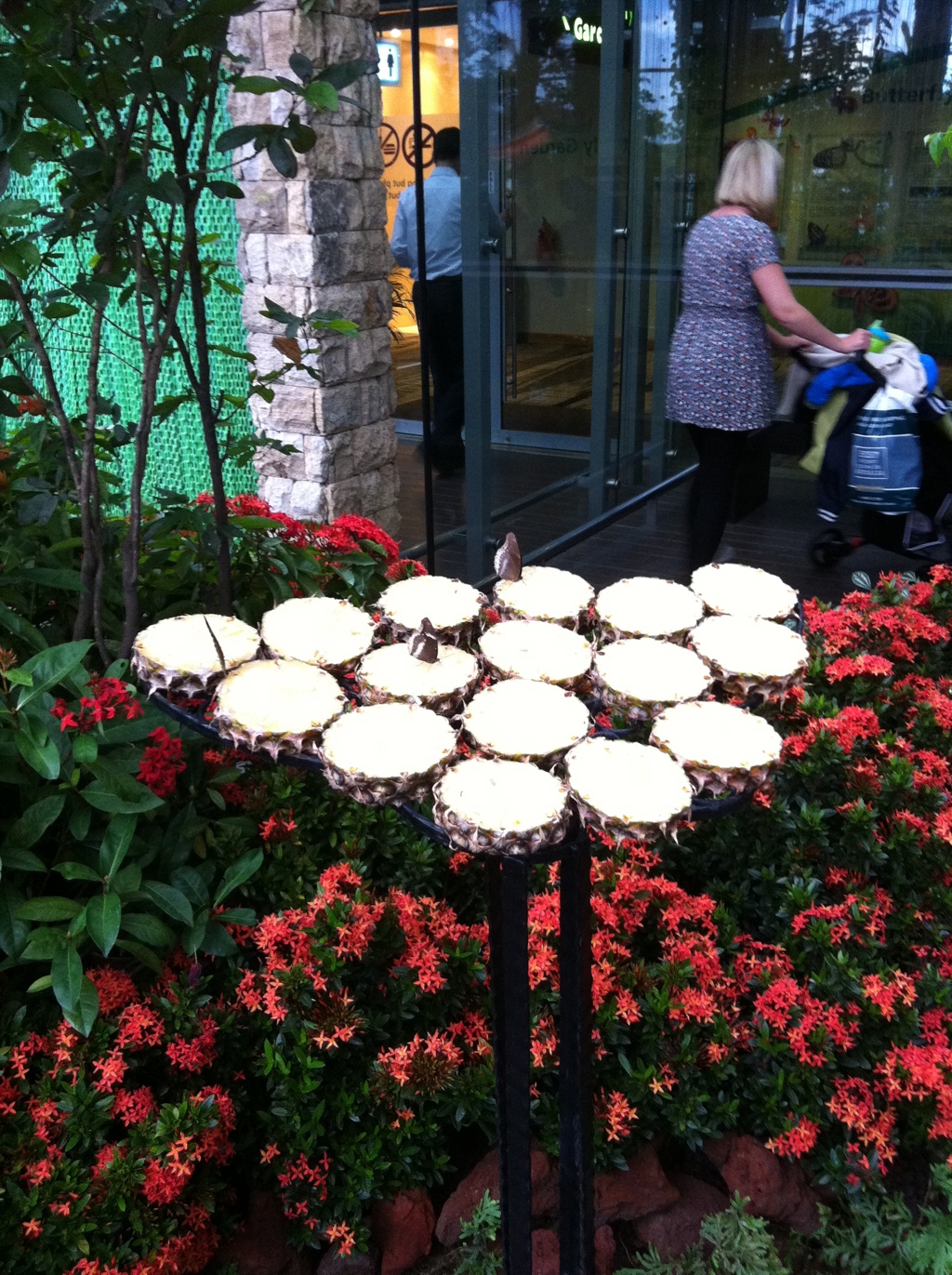
    And housing them within the airport complex makes the transit ever so delightful. Don’t miss if you are ever flying -by Changi.

    A few snapshots from the mini-butterfly park in the Changi Airport.

    20120524-151305.jpg

    20120524-151355.jpg

    20120706-110700.jpg

    <;;a href="http://vedasri.files

    20120524-151509.jpg

  • The last few weeks have really been a blur. What with the graduation, the moving house(!) and a trip to the wild. Whilst life happened the blog scene got a tad duller!

    Right so as we get on with the routines heres to some pieces of action.

    In a bid of change am going to introduce more graphic elements/pictures/art that will hopefully compliment the writing. And also to introduce a new address on the virtual world.

    www.vedasri.in

    Cheers!

    20120706-103342.jpg

    🙂 @ Masai Mara

  • One of my earlier posts, on food, is surprisingly the most accessed according to the stats. Interesting! Umm so now I’d like to share the only diet I truly believe in – the snob diet!

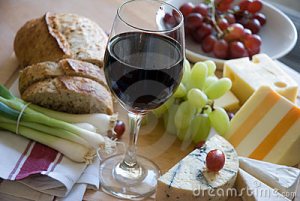
    Well all you gotta do is make sure you eat real good food. Stuff that makes you drool. Everything works! Cheese, butter, chocolates or whatever it is you love. Yeah ofcourse processed food is out of the picture. Coz seriously synthetic stuff frankly doesn’t taste yumm! But yeah the hard part is that if you don’t get access to such fanfare, well, you starve. Drink loads of water or just eat little. ( now now with a Lil planning that should never happen ) And ofcourse may I add, that the food eaten in a snob diet, DOES NOT have to be expensive. It only needs to be good. =)

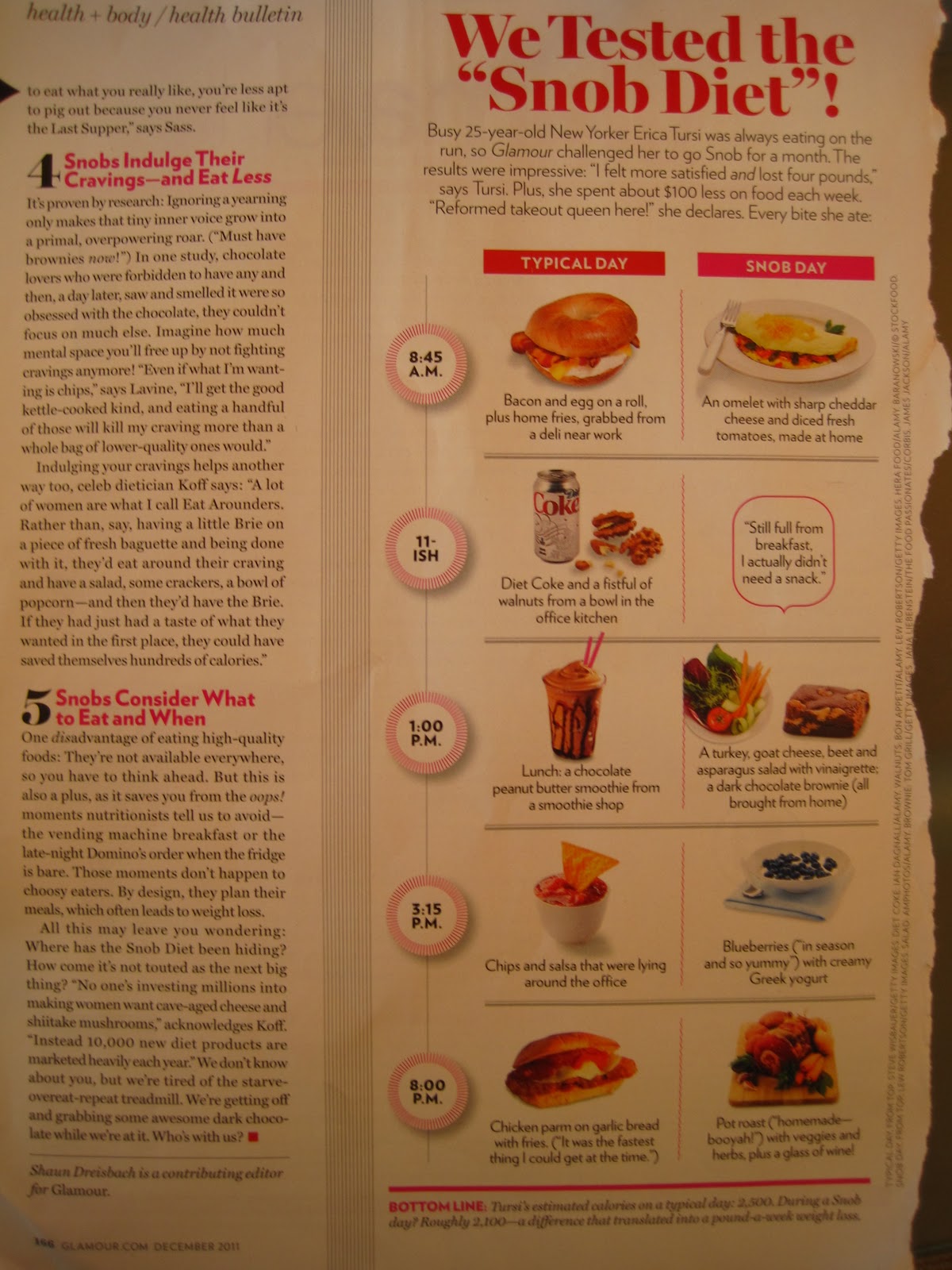
    Here’s a snap-shot from the December Issue of the Glamour Magazine, rooting for the Snob Diet!


    Obviously the diet comes from France(!) yeah no surprises there 😉

    From the horses mouth,

    The five rules are: snobs get fuller faster, snobs savour versus wolf, snobs don’t deprive themselves, snobs indulge their cravings, and snobs consider what to eat and when.

    The diet works for me, so much so if I start putting on weight, it just means that I ain’t eating soul food! 😉