Steeped in tradition and blessed in bounty, Egypt’s capital city has the Gods smiling down at it with wonderful sunshine, the blue-est of blue skies, golden sandstone, a mile-wide perennial river, bountiful produce, alarmingly friendly people and a history that would even humble the Gods. With the great Sahara desert only just a stone’s throw away, the city of Cairo is embalmed with a creamy layer of dust making a sepia tone out of the urban landscape. Its warm and crusty during the day, like a piece of toast and casts a spell under the twinkling sky at night. A city of storybooks, it’s one of those places we all have a foreboding about, from the merchants of Cairo or the bazaars of Cairo, stories of the place and the people have traveled vastly across the world. And when visited Cairo does nothing short of making a warm and wonderful impression. In my head, Cairo seemed to be all about the white turbaned, long cloak wearing people, their smiles weathered and eyes twinkling. Good-natured as well, with wit to keep one entertained, the pseudo-descendents of the ancient Egyptians are well aware of their blessings and predicaments. Cautioned to dress conservatively and repeatedly warned of the unrest the country has witnessed in the last couple of years, my adventurous spirit remained quite intrigued to visiting the city of the Great Pyramids of Giza!
Landing in Cairo, we were welcomed by the swanky new-age terminal, I never seem to complain of globalisation when I need to visit a washroom, the globalised standards of cleanliness and french-fries available everywhere are quite a blessing! Seriously sometimes I thank my stars for America! (:D) Hopping onto our ride, we began to make our way to our temporary residence along the River Nile. As a teeming metropolis, Cairo has its own share of traffic issues, the snarls though are nothing compared to Bangalore (!) but driving at a snail’s pace, getting on the 16th of October bridge, the longest flyover in Cairo gave me enough time to take in the expanse of the city and the changing buildings as we drove by. If I thought naming the flyover by the date was something, the naming of a city by a date was even more surprising. The 16th of October city, close to Cairo was established to celebrate a war that Egypt won in the past. The flyover extends from the center of the city to the Great Pyramids of Giza. Our hotel, at the end of the bridge overlooked the Nile River and it’s Gezeira Island, home to the area of Zamalek, also known as little Manhattan! Egypt, is often called the blessing of the Nile, and quite well so. The only one of it’s kind, it flows from the South to the North, another instance of what a wonderful world we live in. Watching the River flow, I thought of how incredible the world really is. As we made our way to Zamalek, the sheer modernity of Cairo is truly endearing. As the most popular area of Cairo, Zamalek is filled with eateries, patisseries, a demonstration of modern Egyptians love for the french and more-so European culture. A night by the Left-bank, doling out amazing Italian food (btw pizza is amazing to cure absolutely everything, traces of jet-lag included!), feeling the coolness of the Nile, we took in the awesome location and what our Egyptian friend Shady was briefing us about the history of Egypt. His Indian wife Rashmi, chirped in her views of coming and living in a country that is so gorgeous, a culturally a lot like India. Knowing the vastness and diversity of India, I guess we could relate to every culture in the world and find some Indianness in it all! After an evening in the little Manhattan, Zamalek is just like the island of New York, full of cars, good food and an ever-energetic vibe. However ever grateful to our wonderful hosts, we couldn’t wait to get started on raiding tombs, alarming the locals and putting on an armour of adventure!

The very first stop in Cairo simply has to be the Pyramids, the wonderful wonder of the world, built roughly 5000 years ago, as a tomb quite evidently but how we have never been able to go figure! The drive up to Giza seems long and setting out on a cheery Sunday meant we had to dodge quite a bit of the peak hour traffic. Well-preserved and organised, the pyramids of Giza were built by the Egyptian emperor Cheops and his following royals. From what we can surmise, the pyramids were built of that shape to commemorate the shape of the Sun’s rays. The Sun was the most revered aspect of the ancient Egyptians, who prayed to the life-giving force with the greatest of gusto and pride. The Egyptian sun-God known as Amun-Ra was prayed to and feared all at once. As the sun set, it was believed that it died every single day, went through a process of judgement, rebirth and was born after 12 hours as a brand new sun. Its path and sighting was unknown, but the ancient Egyptians gathered that man too died to be reborn as bright as the sun. After death, man would take a journey where his goodness was judged through the lightness of his heart and then reborn again. The body was believed to be needed on this journey and hence they invented the process of Mummification. Before preserving the body as a Mummy, all the vital organs would be removed and preserved in jars, except for the heart. It was believed in the death journey, the heart would be weighed against the feather of Maat or truth, and if lighter the man was a good person and would be rewarded before being reborn. And as man would require his body, it was embalmed and mummified, preserved along with food, ornaments that one could use in the after-life. Though ancient Egyptians loved life, they were fearful of death and the pain after crossing over. As tombs the pyramids mimicking the shape of the sun they felt would help them appease the Gods’ on their meeting after death. Most of the architectural monuments in the world tend to be tombs or mausoleums or temples, showing how fear of the unknown can cause man to build wonders. Fear is quite a driver for achievement!

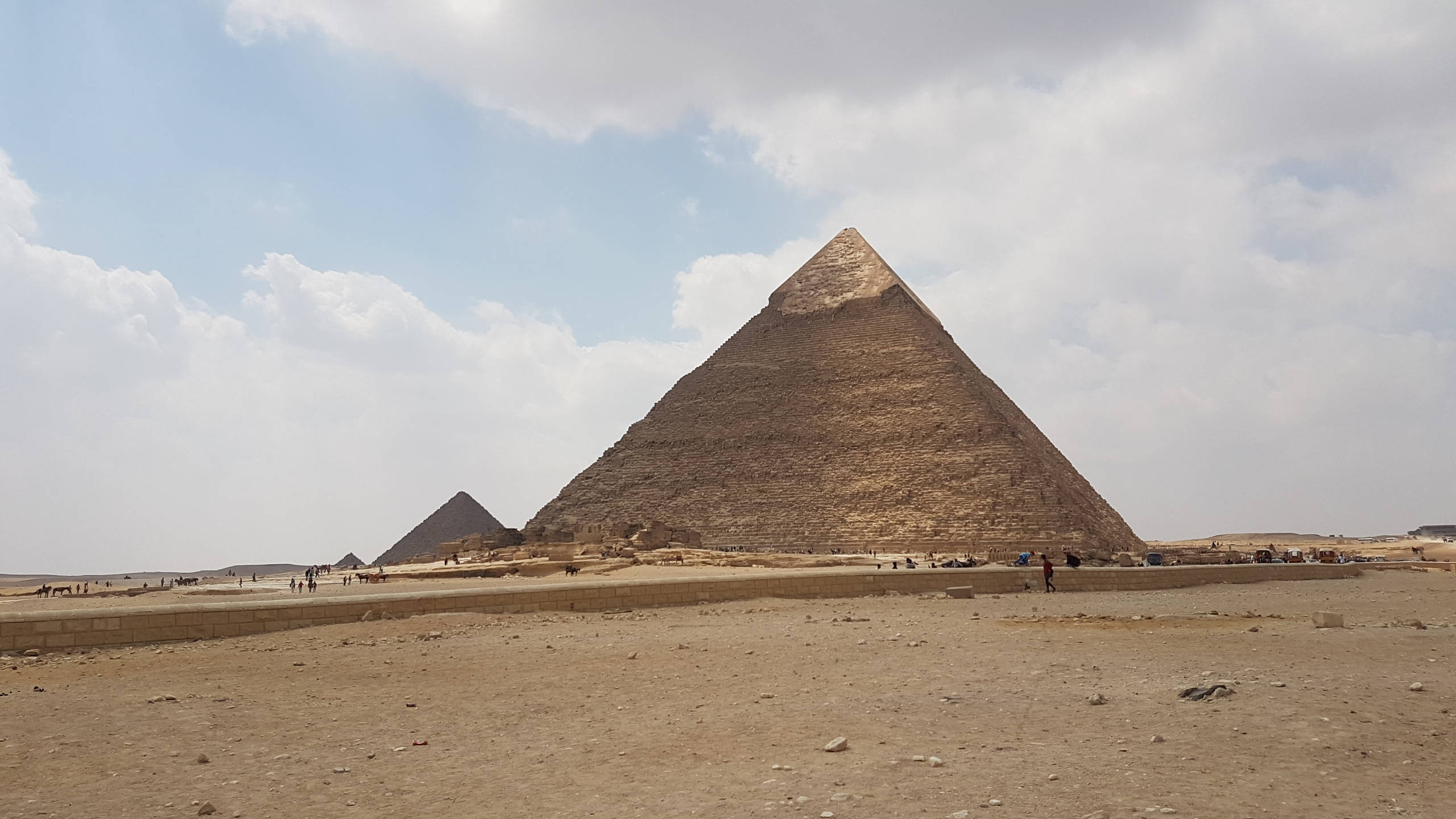
Walking on the Giza plateau, approaching the pyramids, I was struck by their beauty. Like all beauty it’s hard to explain but to put it bluntly, the pyramids are perfect in proportion, scale and material. The guide spoke about how the pyramid was right in the centre of the landmass of the world and how great the ancient Egyptians truly were. Camels and horses are great companions to trudge from one pyramid to the other and more-so the Sphinx. Waiting for the Great one, or the pyramid of Cheops to open up after an hour long lunch and prayer session, we surveyed around the area and I obliged a couple of young Egyptian girls to a couple of pictures. Them in their cute wraps and easy smiles and me with my touristy shades and pearl tales! Entering the Pyramids though needs a brave heart! Knowing the pyramid’s section and plan by-heart, thanks to the lessons in the history of architecture, I walked through the tiny claustrophobic passageway with much ease. The passageway opens out to a room, which once was a tomb of the King Cheops. With no ventilation for light or air, I was surprised how the coffin and the goods would have made their way into the tomb. The huge size of stone is evident with all it’s joinery details along the passageway. Climbing over the pyramids I wondered at the ingenuity of the builders of that time. A truly monumental achievement, that truly deserved to be called a wonder of the world. No one has yet been able to scrutinise as to how the ancient Egyptians did it. Feeling the coupled effect of the bright sun and the cool breeze on my cheeks, I felt truly happy to take in the wonderfully feel-good feeling rendered by this piece of architecture. That feeling is a true measure of something well-done. Looking up at the pyramids I deduced how the true purpose of life is probably to simply enjoy, to feel good, a leisurely approach to hard work. Like my favorite author Donna Tartt says, if you’re not enjoying something, you’re probably doing it too fast. To capture and hold on to that feeling of goodness, is probably the only calling of life. Like the feel-good feeling of writing this post, or building a wall, or the cooling waters of the pool, or simply doing nothing. As a connoisseur of life to enjoy its various lengths and widths. As I took an elective in college called art-appreciation, maybe my calling is life-appreciation(!) to truly life in appreciation and enjoy things, as against making them. What would be more thrilling? To enjoy experiencing the pyramids or to build them? We do not know the names of the builders, just as we do not know those who experience it, as obscure entities they all fade away in time. Do we then seek to create or enjoy? Beautiful places, I tell you, tell you things and that’s why they say travel helps you find yourself! Finding my life’s purpose as that of being an appreciator, a calling of enjoyment and a life of leisure, I skipped happily down the huge blocks of stones of the pyramids and smiled at the mighty Amun-Ra who may have just helped me find myself! When you do throw yourself at life, living with gusto, it is by itself meditative and gratifying. Leisure in the mind is the perfect recipe for a breezy life.

With such happy thoughts, I met up with my dear husband, lost in his own thoughts at the base of the pyramids, motioned me to hurry up for we have a lot of world to still see! If the pyramids were starring the Egyptian museum was startling!! To see all the bodies of the mummies, in temperature and humidity controlling cases, was quite creepy. What are we all, just a bag of bones, that too easily bio-degradable! The museum boasts of tomes of ancient artifacts, my favourite and everyone’s favourite one being the 11 kg golden mask of the King Tutakhamun. It was his tomb that was found by Howard Carter in the recent times in the Valley of Kings. The obelisks, the stone carvings, not not as fine as the European counterparts evoke a feeling of awe, mainly because of how advanced they were in terms of time. The Egyptian museum is a treasure trove for any history addict, but as hardly history enthusiasts we tried connecting the dots and moving on to modern times as we made our way to the Tahrir Square. The celebrated square was the centre of the Egyptian revolution in 2011. I remembered seeing it on television as hundred of Egyptian men and women called for the resignation of President Mubarak. Spotting a KFC in the square, the guide said that America funded the demonstration and all the striking people were served piping KFC chicken for free! Hearsay I tell you! America would never do such a thing!! Just as I nay-sayed all the allegations we heard the prayer calls emanating from the speaker system. As an Islamic republic, Egypt ensures that all it’s citizens follow the four pillars of Islam, calling out for prayer five times a day. Our guide politely excused himself to go pray. Stay here, dont move he said, I will be back in 7 minutes! Wow. A date with God.

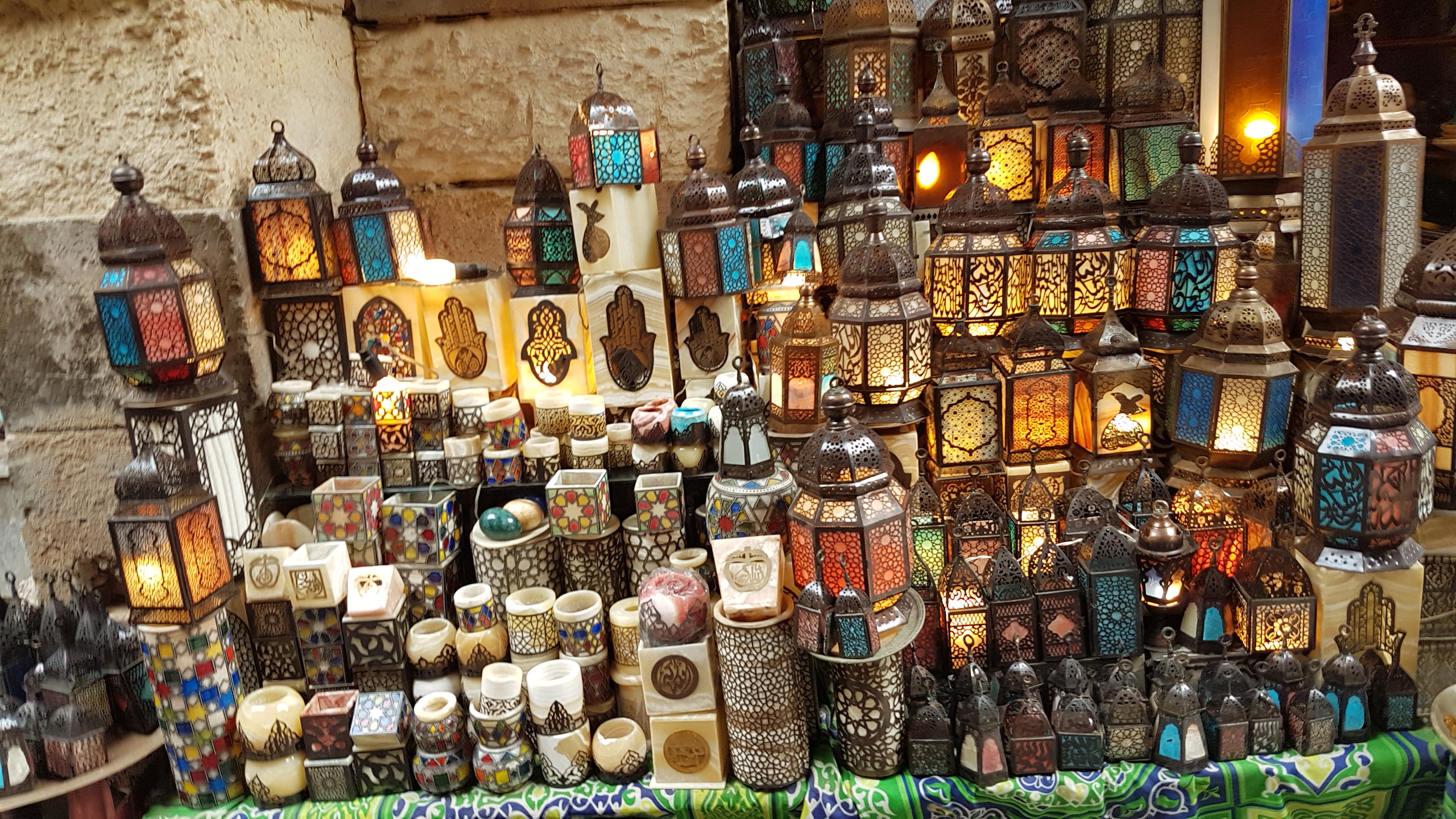
Punctuated by prayer and peppered with thoughts of revolution, the Khan-el-khalili bazaar is dotted by shops with merchants selling local and exotic goods with equal elan. The cafes and chai places in the bazaar were home to several revolutionary and path-breaking ideas that has shaped modern Egypt. Deeply immersed in the literary masterpiece titled the Cairo Trilogy, I was more than happy to go visit the El Fishawy cafe where the likes of the Nobel Prize winning Naguib Mahfouz, the author of the Cairo Trilogy would hang out with other geniuses of his time. The historical quotient of the cafe is not questionable in the least. Furnished with antique mirrors and gloriously quaint furniture, the cafe cooled by the narrow streets of the bazaar makes for delicious strawberry juice apart from the predictable Egyptian chai, Turkish coffee and Hookah! As a largely prudent dame, I stuck with the divine strawberry juice watching my companions choke up their lungs or up the caffeine quotient. Charged for some more shopping, the bazaar enthralls the random visitor to wares of copper and alabaster lamps, mosaic lamps, fine silver jewelry, the attar fragrances, named after Cleopatra, the Valley of Kings or other historical contexts. A wide variety of veils, some highly fashionable while others largely forgettable dot the alleys of the bazaar. The Egyptian bread, baked in gas or coal ovens are typically ballooned dough eaten with dollops of hummus, babaghanoush, cheese, olives and the other fritters that only emphasize on the freshness of fruits and vegetables available in Cairo. Though not a great fan of salads, the crunchy veggies packed in color won me over in no time. To experience the perfect cold mezze, Sequoia is a wonderful stop. Introduced to the perfect mezze and Umm Ali, by Mostafa, a hearty Egyptian and a wonderful friend of the Devar!
Mostafa displayed the famous Egyptian hospitality as he regaled us with stories and ordered practically everything on the menu. One of the best dinners ever, and Sequoia on the Left bank of the Nile in Zamalek played the perfect setting. A must do for anyone visiting Cairo. Just as is a quick walk through the Mariott hotel and the Cairo Dinner Cruise. While the Mariott hotel stuns the average visitor with gorgeous Egyptian architecture fraught with intricate detailing, it also does go the extra mile with it’s hot chocolate cart serving up the delicious beverage to suit any fancy be it flavored with cinnamon, hazelnut or chilli! All with accompaniments of choco-chip, brownie, fudge sauce and what not. The Dinner cruise on the other hand is a black tie-event. As we walked up the slip way, we made acquaintance with a friendly face. A petite girl of similar age and a sophisticated smile struck a conversation. After exchanging notes of how similar we looked like we came for the same part of the world, specifically Andhra Pradesh in India and excitement over the wonderful city, she introduced herself as a staff at the Indian Embassy. Though bowled by her smart aura, I was awed when she parted by handing out her card, imploring to stay it touch. Third Secretary to the Ambassador of India it read, one of India’s premier Foreign Service Officers, I was so glad that our country was being represented by such able and striking officers. A beauty with brains, just like India! The wonderful evening spent in collaboration with gorgeous weather and a sparkling city, the river dinner cruise, Maxim is a must do for the visitors. Though crusty and rusty by day the city of Cairo comes alive in the night with sparkly lights and a cool reflective river. Could not imagine the River once caused worry with it’s flooding nature, long before the Aswan Dam was built.

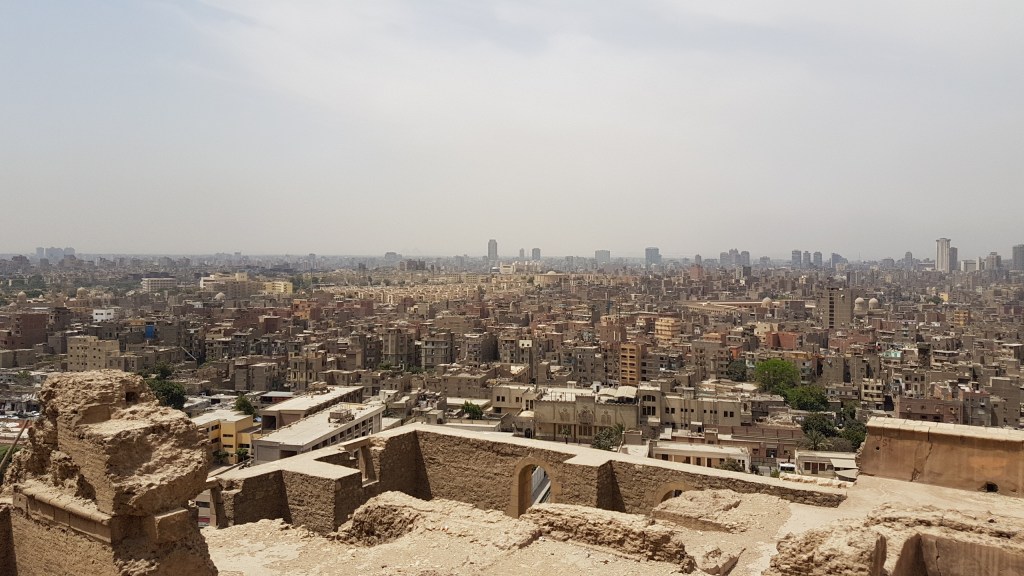
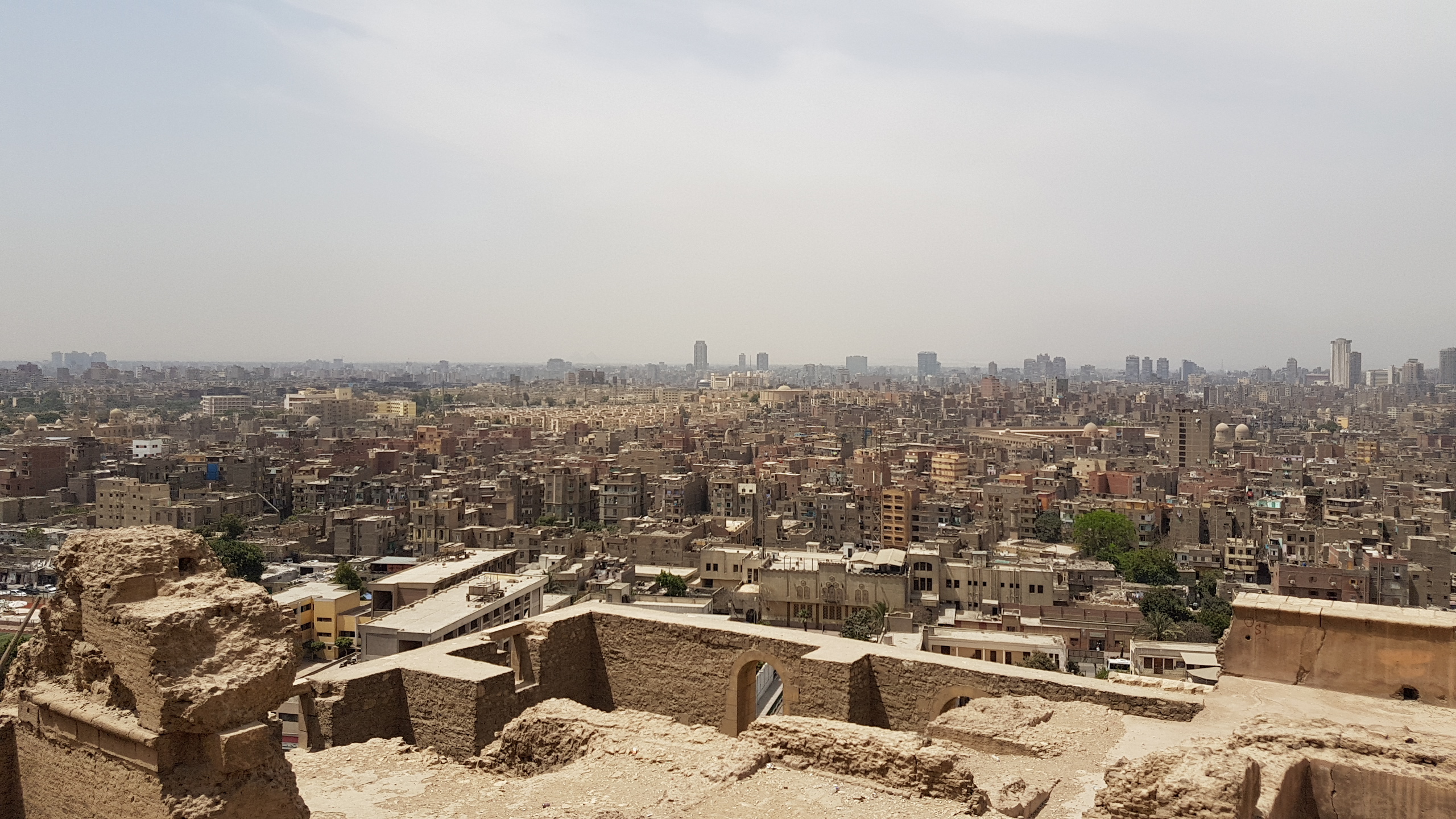
Though one spends much time at one of the World’s wondrous site, the magnificent Pyramids, the famous Khan-el-khalili bazaar and the glitzy Riverside, there is one other side to Cairo that may be lesser known but is equally, if not more charming – old Cairo as it’s called. The older part of the city is inundated with mosques, churches and demonstrates what an important part religion played in shaping the city at the confluence of Islam and Christianity. The Abrahamic religions comprising majorly of Christianity, Islam and Judaism has its influence in Cairo. Whether it is the Fortress of Babylon, the Hanging Church, the Coptic Museum, the Jewish Synagogue of Ben Ezra or the Mohamad Ali mosque made of stunning alabaster. Legend has it that Jesus along with Mary took refuge in the Fortress of Babylon, during the Roman persecution. While the Mohamad Ali mosque, designed by architect Yousif Boushnaq from Turkey was commissioned by the then great ruler of Egypt, Mohammad Ali. One story goes that his Mom concocted the very delicious milk-based pudding now fondly referred to as Umm Ali, literally translating to the mother-of-Ali. The city is a minor enchantment of what Egypt has to offer and as it stuns it enthralls with a glorious past. The present seems highly disillusioned, with war and strife running through the city. The years of struggle have taken their toll on the city with squatter-settlements and un-sanctioned buildings coming up haphazardly contributing to massive urban sprawl. The people build, plastering and painting only the interiors, leaving unfinished brick walls on the outside, supposing to complete them when they make enough money. The roof-tops are filled with junk household items visible to the passer-bys from the multitude of highways. This is the other side of Cairo very stark and different from the glitzy new Giza and Modern Cairo. What they lack in economy they make up in food and spirit. The Eqyptians walk with elan, display abundant affection and share a joke or two with ever-twinkling eyes. The women dress in fabulous head-dresses and though extremely modest allow a display of gorgeous hand accessories and heavily made-up eyes that are mostly light.
As I leave you all with an ultra-long post that I could not bring myself to compress, besides having a lot to say, clearly being super-overwhelmed, about the city that boasts of a rock solid past on one side and a crumbling present on the other. Here’s a melody that continued to play on my head all through by days in the gift of the Nile!
Walk like an egyptian!
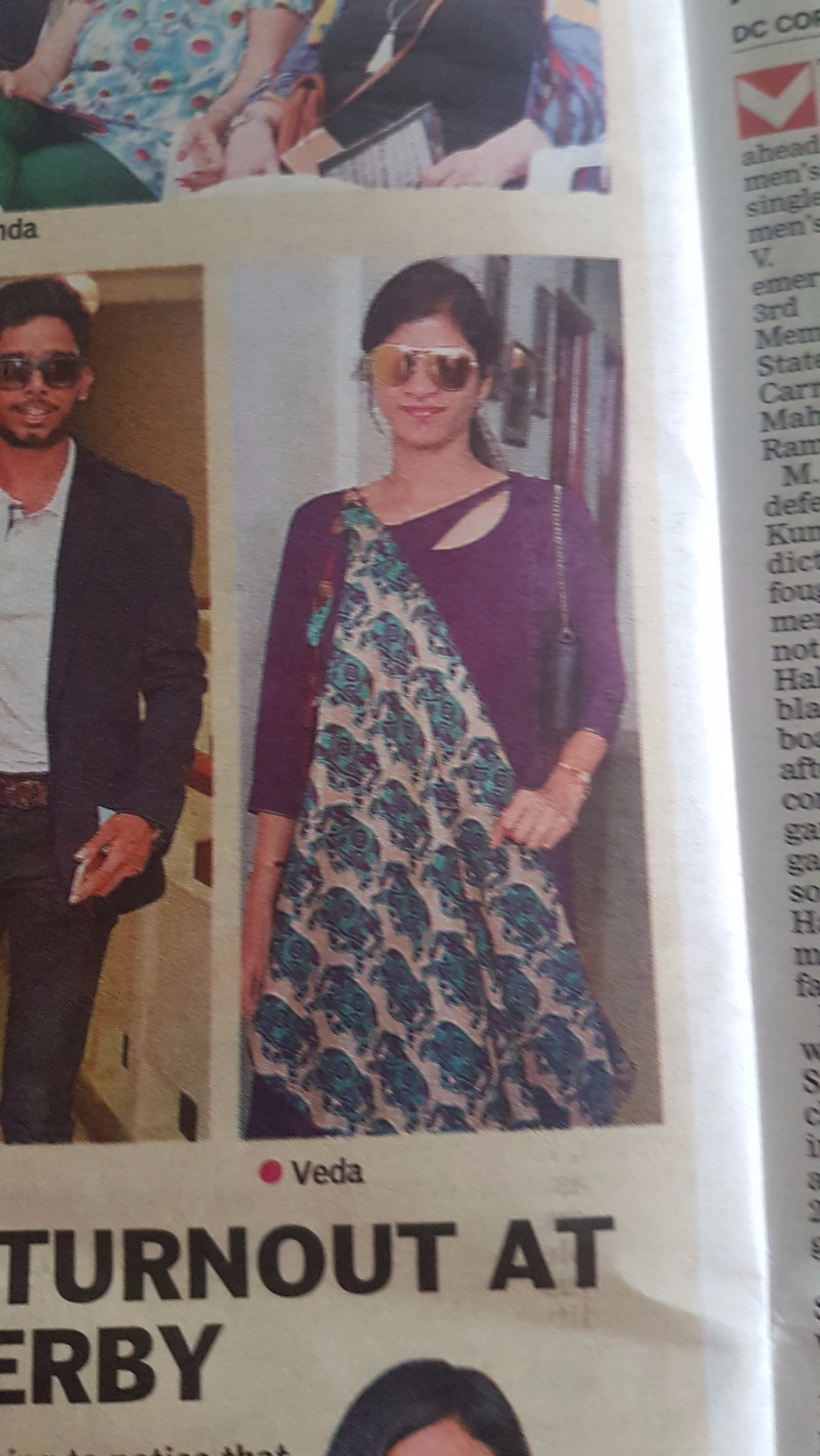 Those 5 secs of fame! #featured #happinessflamboyanceenergy







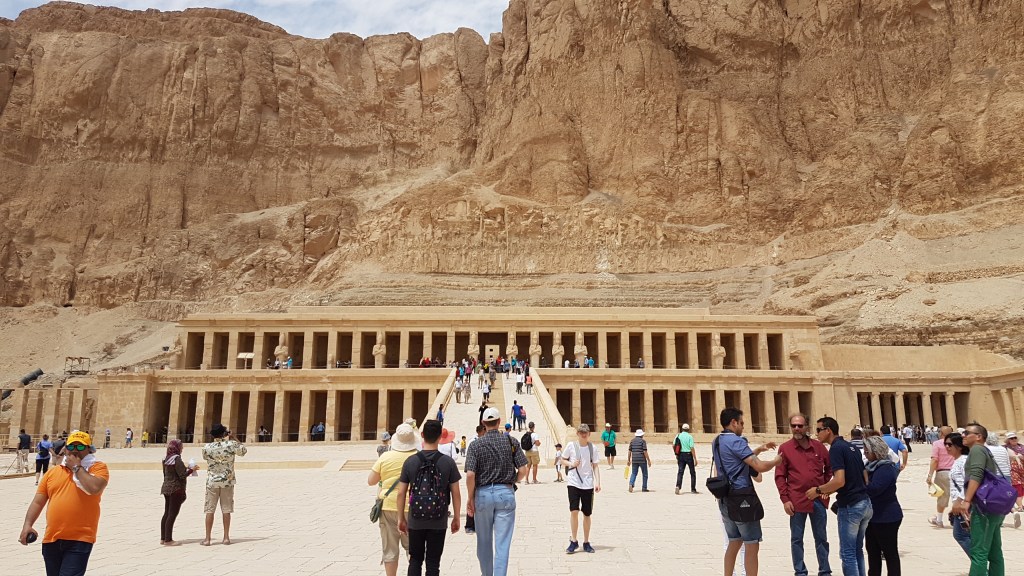


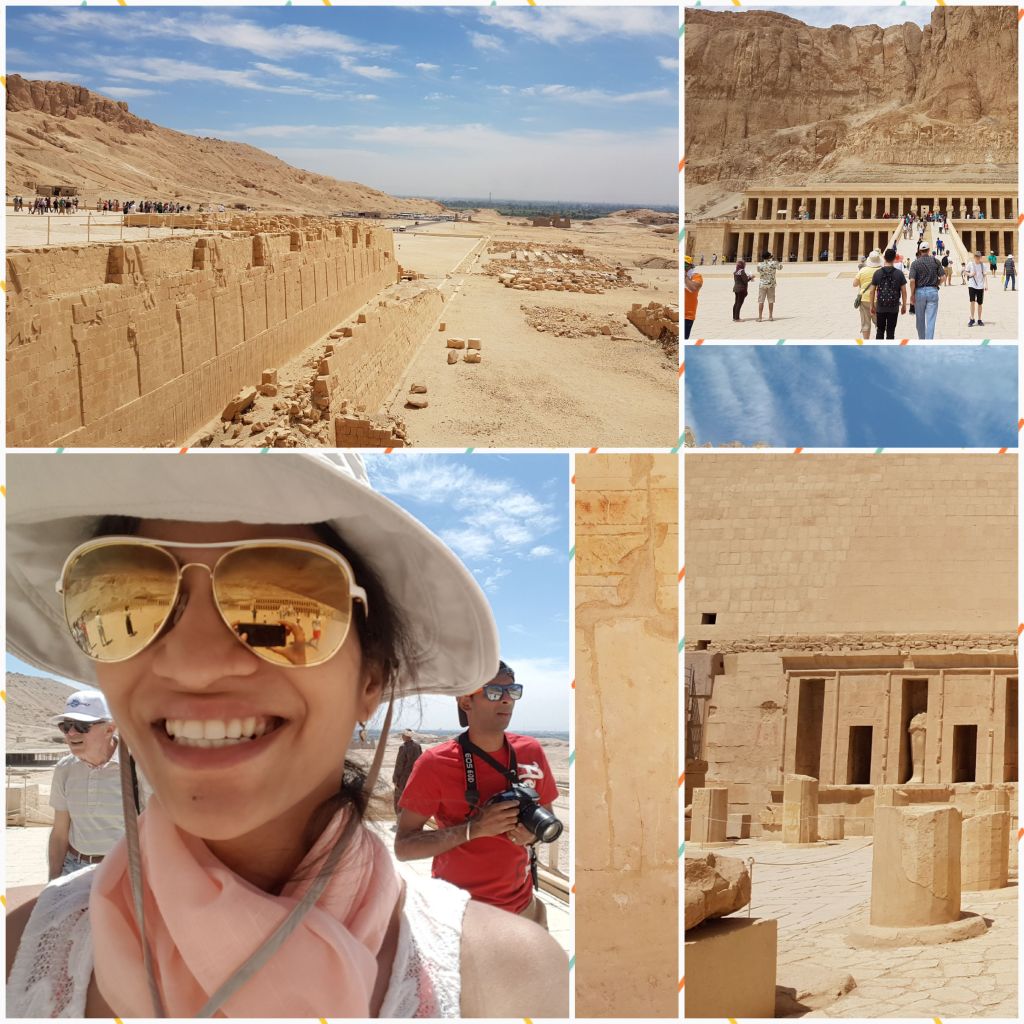
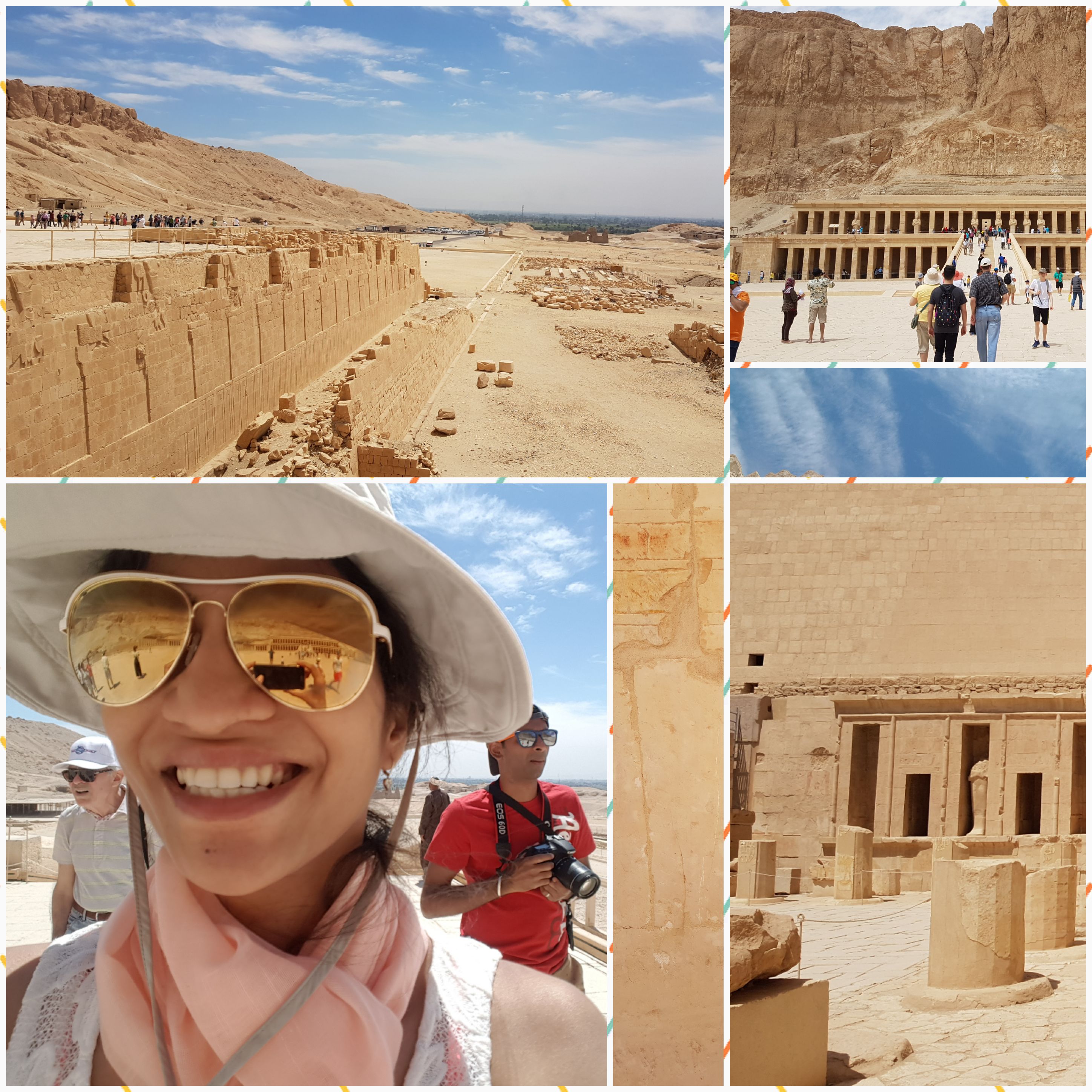
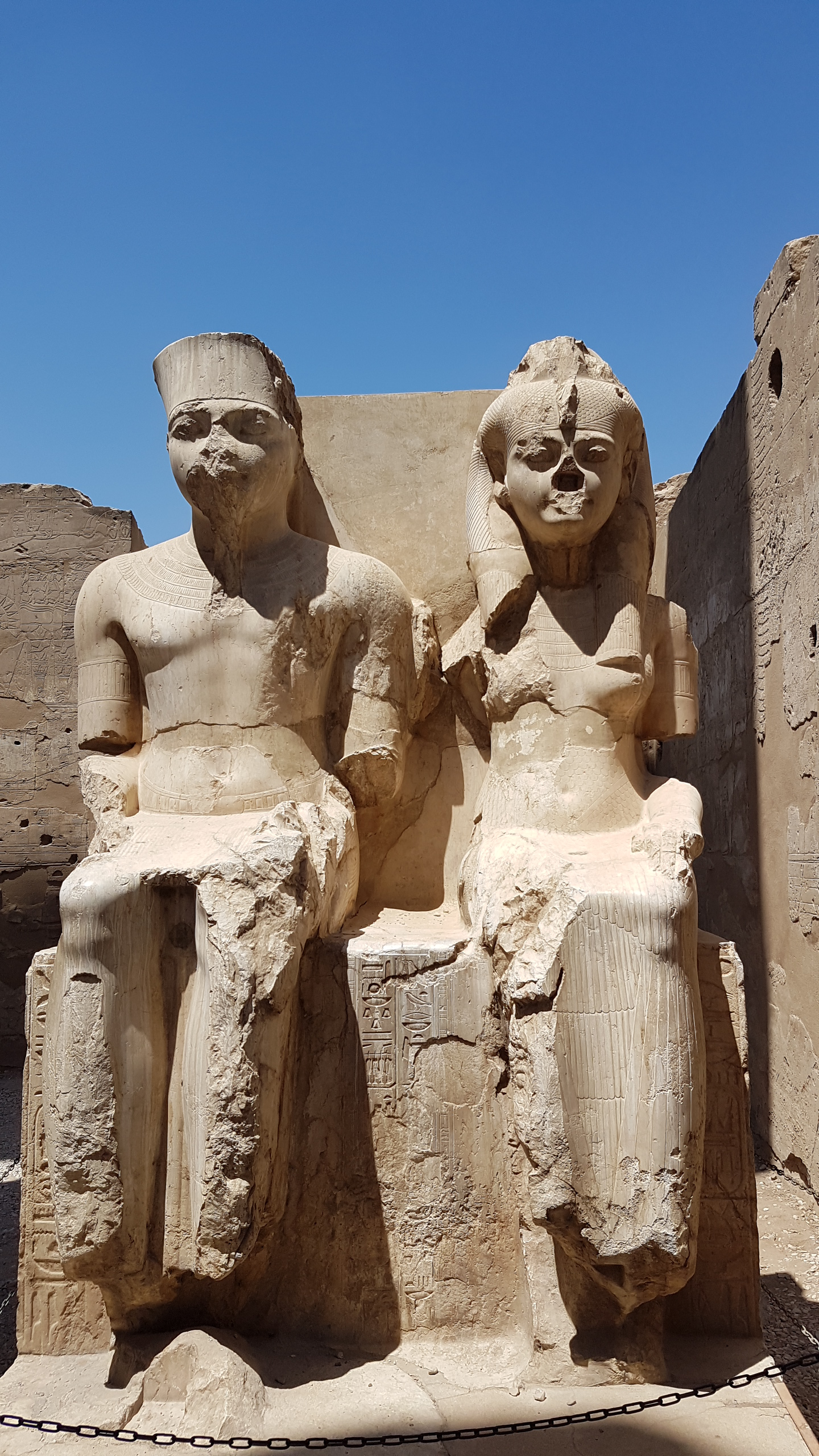 While sailing from the city of Luxor to Aswan, the first stop along the way are the temples of Karnak and Luxor. Luxor was once called Thebes, but over time it’s name changed to Luxor, meaning the palace of the king. It probably got it’s name from the architecture extravaganzas in the area. The Karnak temple was built for the Sun-God while the Luxor temple was built for his queen, both the temples are accessible through a pathway guarded by half lion and half man sculptures all across the way. The half-man, half-lion mythical creature, also called the Sphinx, is symbolic of the most popular creature, one that has the head of a man and the body of a lion, making it extremely powerful. The Hypostyle hall marked by giant columns is my personal favorite of the temples. Seen both in Karnak and Luxor, it is much bigger in the Karnak temple than in Luxor. Before entering the hall, one can view sculptures of the young and insanely popular Egyptian King Tutakhamun whose tomb was discovered by Howard Carter, filled with precious materials and the 11 kg golden mask. Though he died at a very young age of 19, he is vastly remembered for his highly glorious tomb and princely belongings. The Hypostyle hall is filled with huge stone columns that must have once been support to the roof. The proportions are gigantic and the columns are filled with hieroglyphics all along. Obelisks carved out of a single granite piece make for interesting symbols made to tell a story and string along everything that the emperor would like to convey. Efforts of France, working in tandem with Egypt are visible in the Karnak temple. The temple is also home to a scarab, one of the ancient Egyptian’s symbols of good luck. Circling the scarab over 7 times we were very happy to know that some good luck may well have rubbed off onto us!