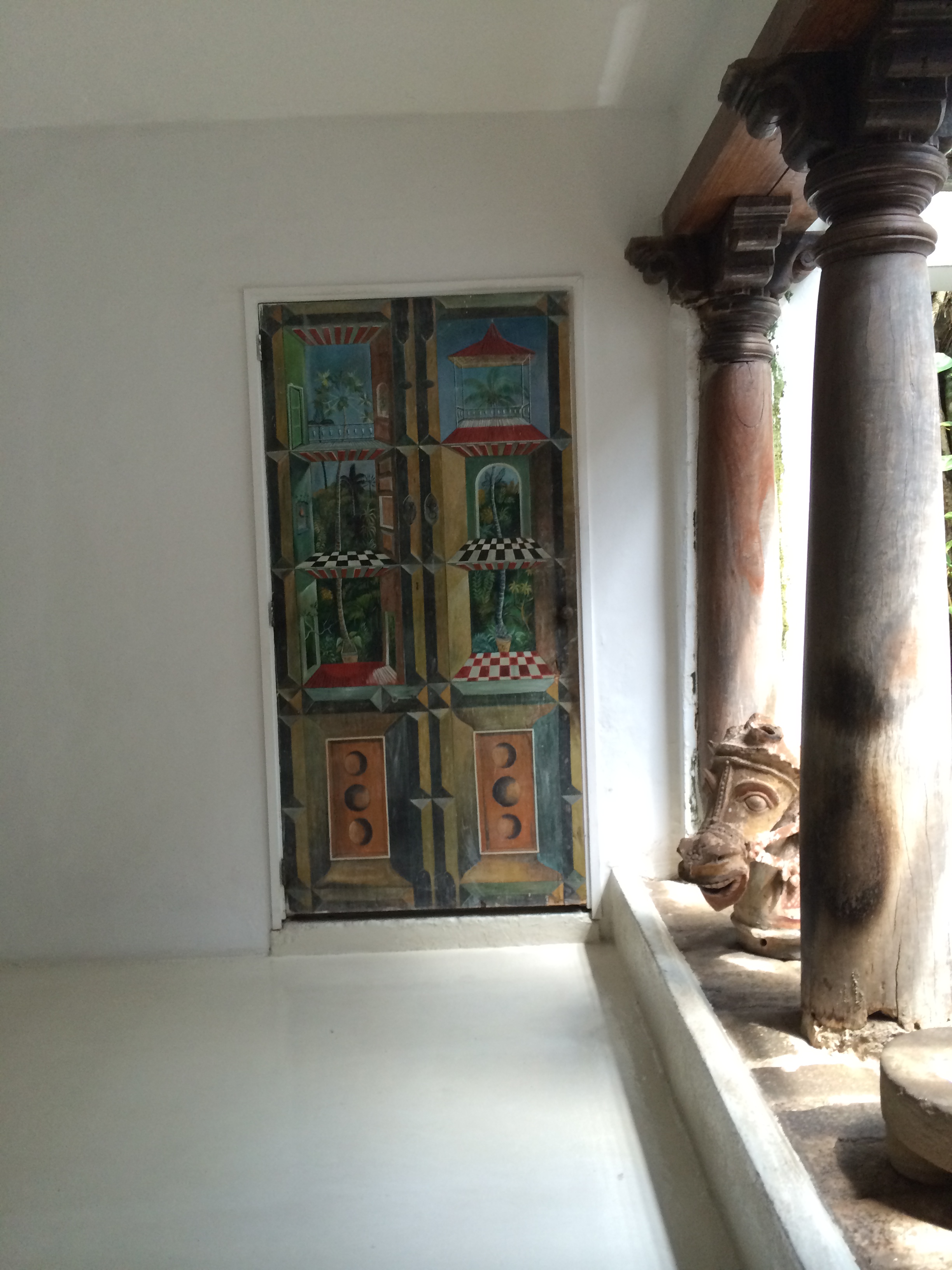
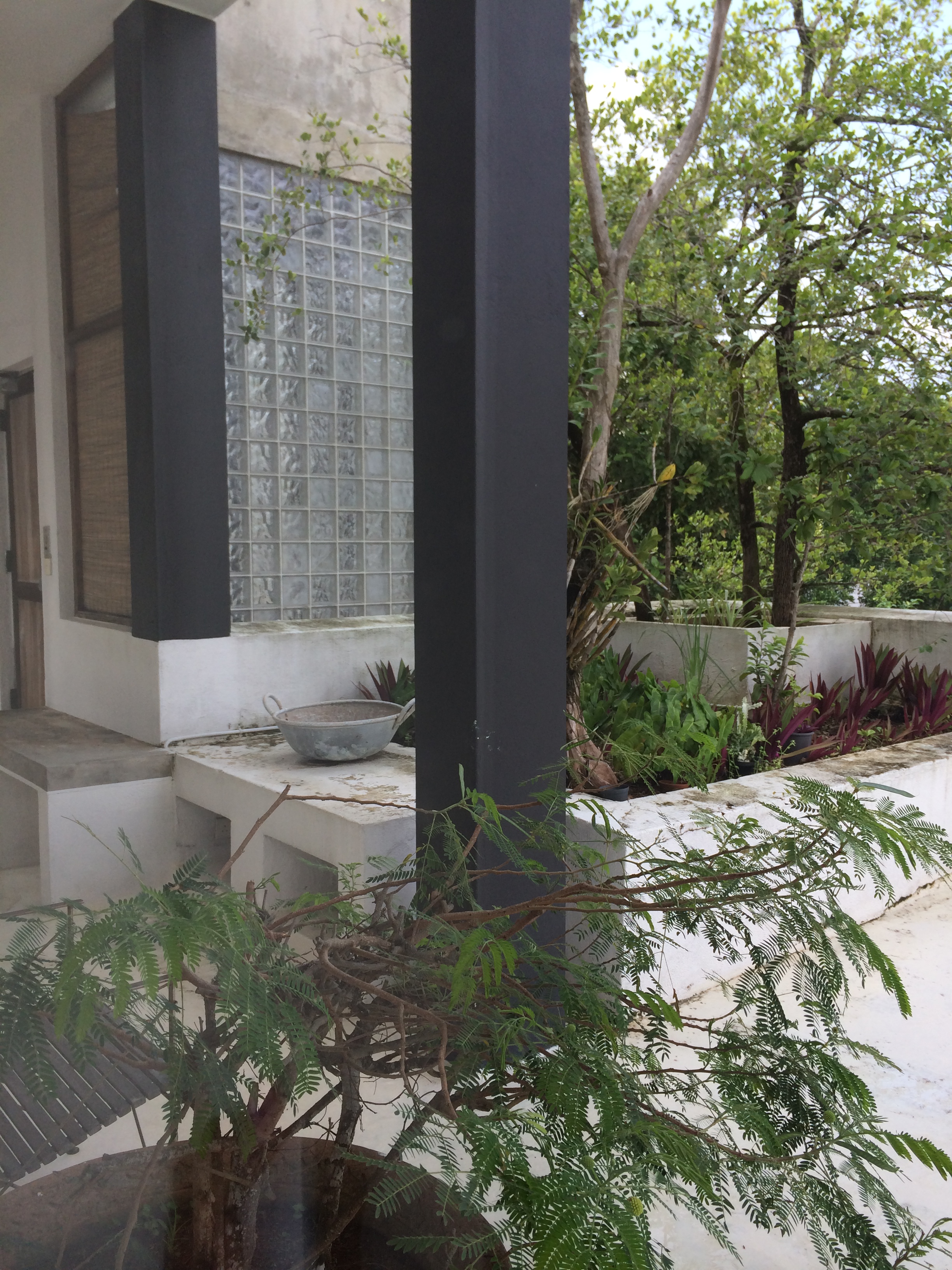
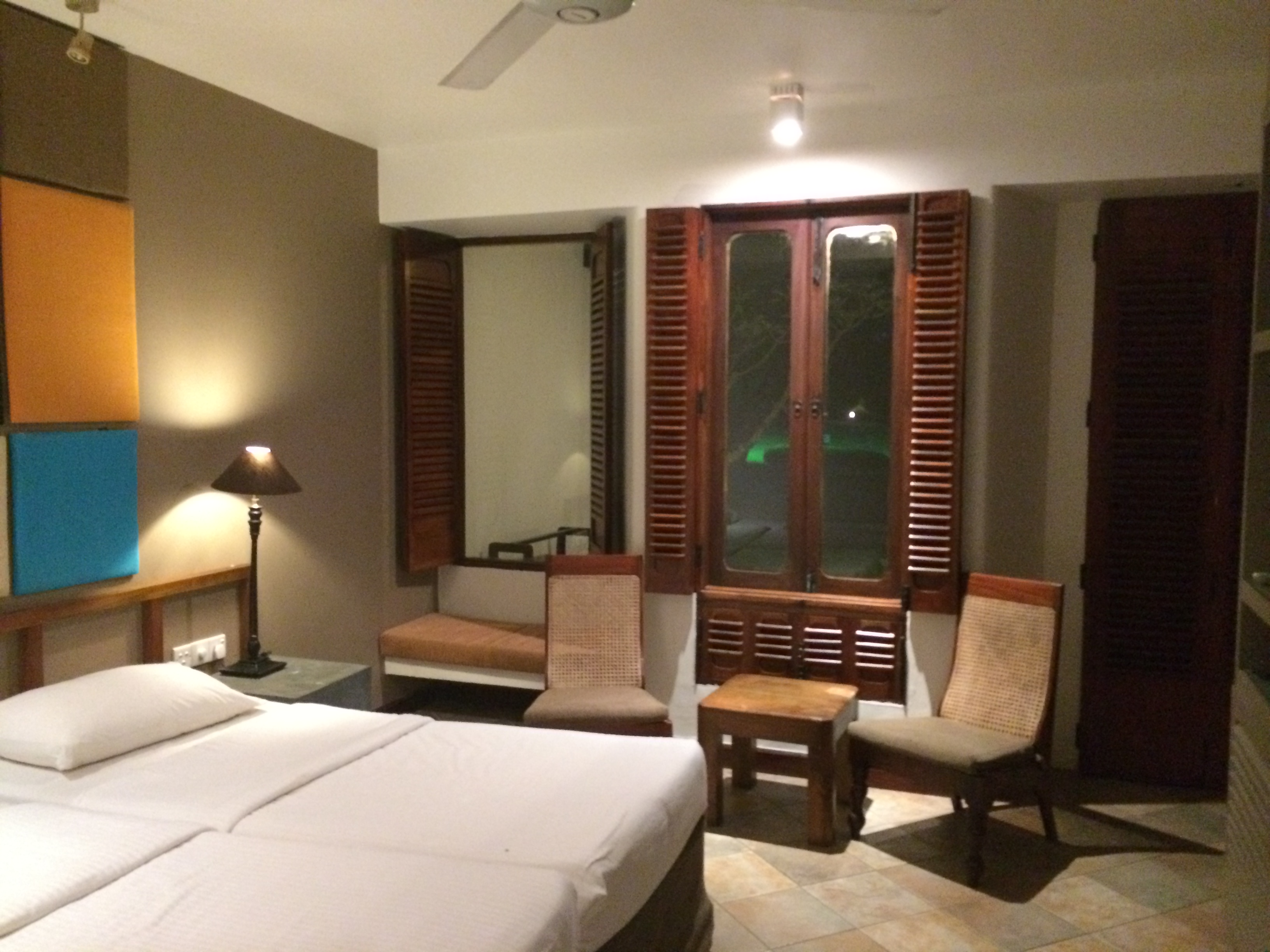
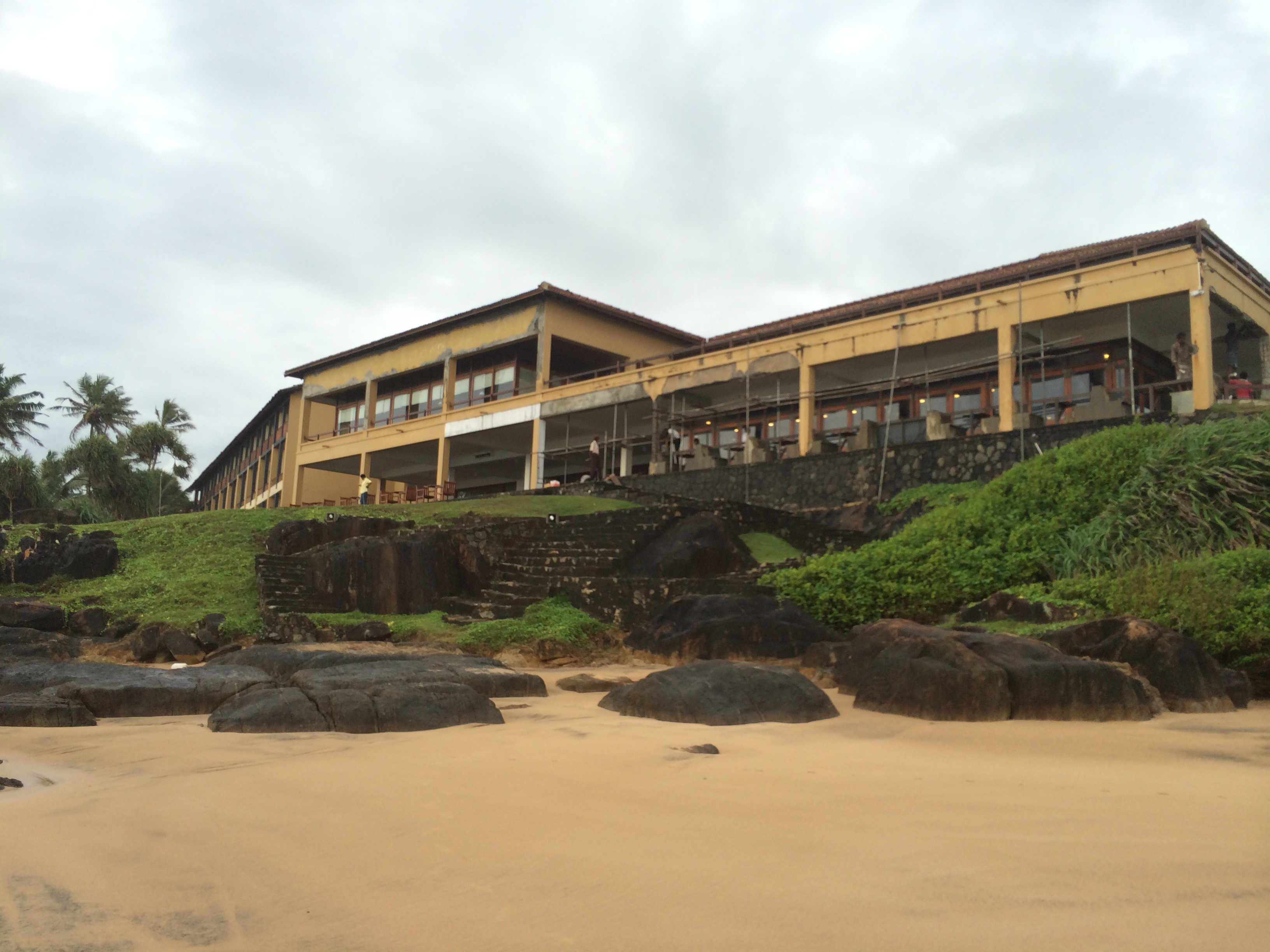
• Punctuation’s matter more in written text than the words itself, similarly urban spaces matter more in architecture than buildings themselves.

    On recent marriage hopping trips to Mumbai and Indore I had enough time to mull over India’s bustling metropolis, Mumbai and Indore, a rather smaller city with equally enthusiastic denizens. While Mumbai is winning with its charming old colonial buildings and a busy skyline, Indore is more humble with a dainty past displaying an ambitious future in its buildings. Mumbai has its ever-busy local trains to ferry people and Indore meets its traffic requirements through a BRT (Bus Rapid Transit) system. Everyone, regardless of where in Mumbai or Indore, agree on how we shape our buildings and thereafter they shape us. But what is more crucial to note, is we as humans tend to thrive on our public spaces just as much as we need our private retreats. After all no man is an island.

    Mumbai skyline

    The Mumbai Skyline from Marine Drive

    Pic courtesy: Snigdha Bathina

    From the Spanish steps in Rome to the lawns of the Rajpath in New Delhi, history has more often than not happened in urban squares and parks or gardens. It is thus a sad state of affairs that our country has discredited these very essential compunctions. With global warming and rising pollution levels, not to forget littered arenas, one cannot bear for long even the few and fettered urban spaces anymore. Lack of trees, the harsh sun-rays and dangerous encounters only add to the discouraging conditions. Malls therefore are but for natural places to retire to. All equipped with false trees, blue skies painted on ceilings and even a made-up river if possible.

    What if the urban spaces in our cities were to receive more attention and made convenient? Maybe with walking paths, delightful benches, tree-lined vistas or even bunched shades, and what if we actually took them seriously. After all the Central Park is largely indispensable for the well-being of New Yorkers?

    A stroll along the Marine Drive and then later at the Bandra Bandstand in Mumbai, reinstates to one the need for open clear, urban spaces. The sea may be the best part of India’s fastest city, but the urban promenade along the crashing waves contributes to it’s largely delectable nature. Cities must be designed to encourage walking as a means of commuting for its citizens an essential criteria of smart cities. Walking is only possible in any metropolis with provisions of larger footpaths, cleaner air, tangible greenery, pre-planned walking routes with measured distances, urban infrastructure to allow for seating/pit-stops and finally public transportation systems that allow for a break from walking when required tied into urban spaces that open out as plazas, shaded promenades and walk-ways connect individual estates as public space, ofcourse.

    While the largely successful BRT system in Indore is well defined meeting the numbers quite efficiently. Urban transportation systems contribute a great deal in how a city works, is smart or not and the design of a city. More car-pooling, could effectively reduce choked roads we face in almost all urban cities of India. The large amounts of time spent in traffic jams reduce quality of lives and invite even more lifestyle problems if not diseases. Therefore its not just our buildings that shape us like Winston Churchill mentioned, but urban design and the quality of our cities shape us even more then we could imagine.

    PS. Smart cities are made of smart citizens ofcourse. psst. take the hint. Get smart! Use those urban spaces more conscientiously.

  • New leaders, sparked fury, spectacular achievements, bold ideas, new campaigns, innovative thinking, reined encounters are phrases that spell out decidedly most years, and they do summarize this year too! For some it doesn’t matter how hard one tried unless you succeeded, for others it doesn’t matter if you failed as long as one tried! Whatever your thoughts, time does move on, ushering in another new year, prodding one to get busy with making your life yet again.

    A quote that stayed with me this year, is William Blake’s, “I must create a system or be enslaved by another man; I will not reason and compare; my business is to create”. What you make, create, design is essentially a part of you that you put out in the world! While India proudly designed and launched a Mars Orbiter Mission successfully, the year of the Radiant Orchid had some very beautiful pieces making their entry into the design scene.

    Here are 6 design picks for the year 2014:

    This slideshow requires JavaScript.


    Pantone, an authority of color in our modern world, sets a color for each year. And 2014 was the year of the Radiant Orchid.

    main_banner

    In continuance, Marsala is the color of the year for 2015.

    Pantone_Color_of_the_Year_Marsala_Color_Intelligence_Banner


    Here’s wishing you all a year as deep and meaningful as Marsala, if not for gorgeous, year of the Sheep. May the coming year be exuberant, cause after all Exuberance is beauty! Another phrase from the Blake stables.

    And yes, from the rolling hills of Switzerland here’s a dose of Swiss Bliss!

    Spilled Milk

  • Design in India

    02MPSETHI1_1162637f

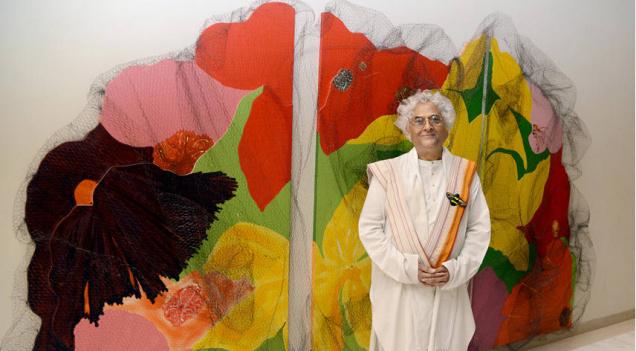
    When celebrated artist Rajeev Sethi announced his presentation consisting of 625 slides the crowd remained unfazed. Documenting his journey as a scenographer, art curator and artist over a career spanning various disciplines, over 4-decades, the Padma Bhushan awardee shared not just his artistic accomplishments but also his take on modern day politics.

    From the humble Lotta (or the indian jar) to the house of India’s wealthiest Adani’s, from Indira Gandhi’s reception space for over a hundred state dignitaries to wedding planning for his God-children, Sethi easily stuns with his versatility. My personal favorite of all his works is the Basic Needs Pavilion he put together as a scenographer, for the EXPO 2000. The expo housed work by artists of the subcontinent fetching Sethi vast critical acclaim.

    When he bellows, much like our charismatic Prime Minister, to not just Make, but Design in India, he does have a point. For inspiration or rather motivation, Sethi highlights proponents that had their beginnings in the Indian sub-continent, from the earthern ware, the rolling pin, tin jars and containers, the Indian cloth weave, to modern day yoga. We must he says revive the Indian industry and do our part to not let the local arts and crafts of our country wither away. Arts and crafts emerging from the Indian subcontinent are known for their diversity and great composition. After all ours is a country that is deeply inspired by beauty, beauty and emotion, the stalwarts of all great art.

    Quoting from the Puranas, addressing a crowd of architects and designers, he recites that one cannot be a great architect if one is not a dancer, one cannot be a great dancer if one is not a musician, one cannot be a great musician if one is not a sculptor, while one cannot be a great sculptor if one is not a mathematician. Going on to show how unbelievably inter-connected the world really is. Another great piece of work Sethi has done is for Louis Vuitton, forming an indigenous connection with the deities of Lakshmi and Vinayak.

    Today the Jaya He walk at the Mumbai Airport hosts a rather impressive collection of art from the depths of the country, a collection curated by Sethi under the patronage of the Reddys. Just like sound does not end, it resonates, Sethi quite like an admirable artist prods one to consider in chaste Hindi, translated to, “do I pass through life, or does life pass through me”. Urging one to live sensibly, that is with all the senses, to feel rather than to simply think!

    Through feeling, he says we can prevent ourselves from being like the Musk Deer that searches frantically for the fragrance that lies within itself.

  • A whiff of Paris!

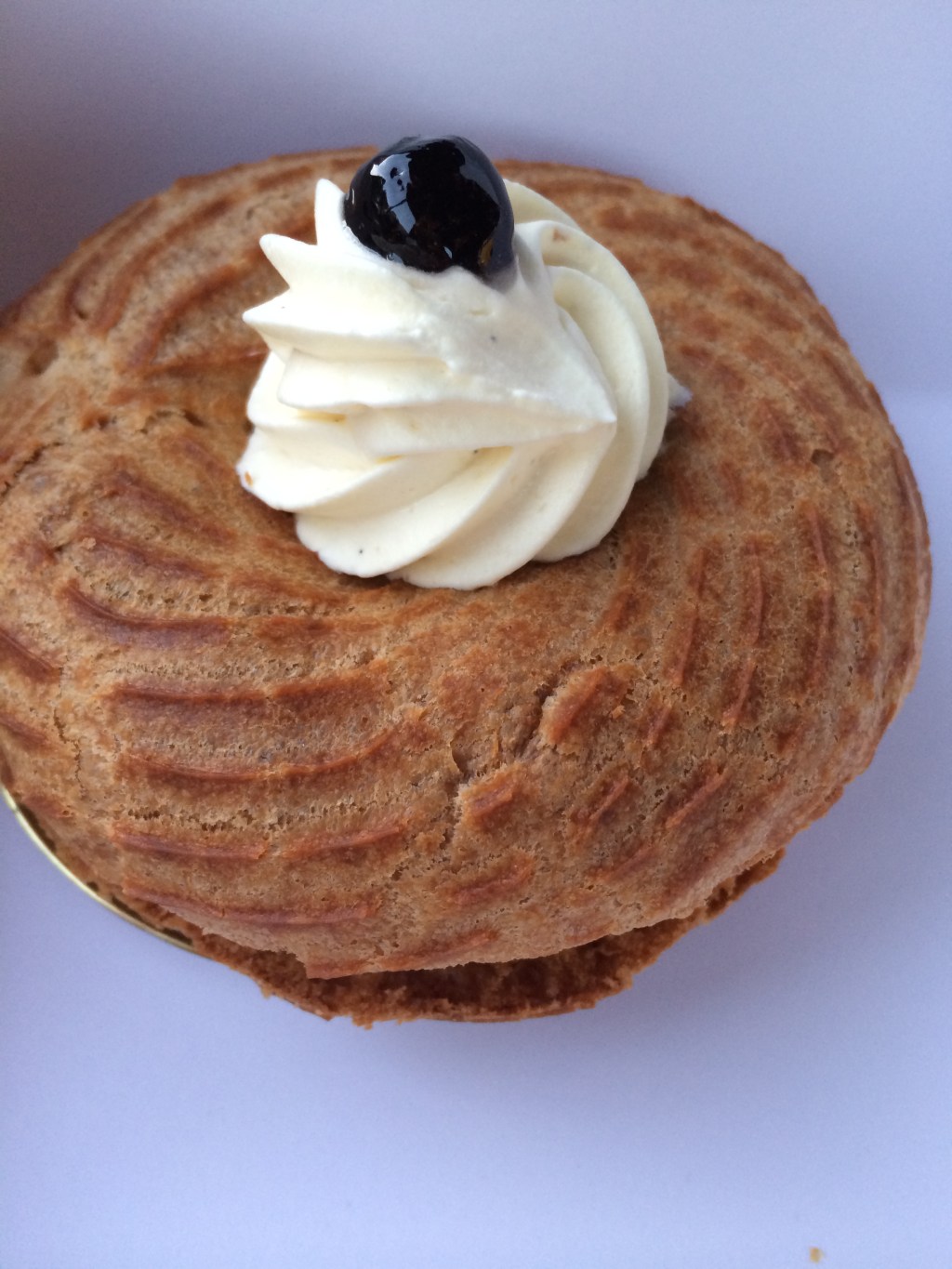
    Tucked away in the busy alley of Jubilee Hills, off the buzzing Road no 36 is a little bakery, nestled in a large compound that looks like it is largely inspired by little birds. What with all the minuscule detailing and use of softwood in the decor. Of all the delightful offerings stocked here I must recommend the fresh cream and blueberry stuffed ‘Paris Brest’! It did transport me to the art filled, delightful City of Love and is finger-licking good! Though I swear by chocolate in my desserts and am forever smitten by the finest bakery in town, Labonel, this one dish from Concu, as the quaint shop is called, does deserve an ovation.

    Just look at it!

    IMG_1566[1]

    For the more culinarily gifted folks out there here is a recipe from my favorite chef and possibly the only one who has ever inspired me to cook. For a good measure violins do play in the background when madame chef takes over the reins or should I say the measuring cup!

    Recipe for Paris Brest 

    from Chef Arti Shroff

    Choux paste or pate a choux

    Ingredients:

    Water 115 ml

    Butter 40 g

    Flour 60 g

    Eggs 2 nos

    Vanilla essence 5 ml

    Process:

    1.Heat together water and butter till the butter melts and the mixture starts bubbling.

    2. Sieve the flour. In a separate bowl beat the eggs and vanilla essence together.

    3. Add the flour to the hot water mixture and beat it well till it forms a smooth ball. Cook for a few more mins till the raw smell of flour is fully gone.

    3. Cool the mixture slightly then gradually add the egg mixture and beat it well. Make sure you do not cook the eggs.

    4. Pipe the mixture into a big disc shape and bake it in a preheated oven at 200 c for 20 mins then at 180 c for 10 mins or till cooked. The ring should sound hollow when tapped with a fingernail.

    Pastry cream or creme patissiere

    Ingredients:

    Egg yolks 3 nos

    Sugar 125 g

    Cornflour 40 g

    Milk 250 ml

    Vanilla essence 5 ml

    Butter 15 g

    Process:

    1. Beat the yolks with sugar and cornflour. Boil the milk and gradually add to the yolk mixture beating continuously. Make sure you do not cook the eggs.

    2. Cook over a low flame till the mixture is thick and creamy.

    3. Beat in vanilla essence and melted butter. Cover it tightly with a clingfilm and let it cool completely in the refrigerator. It should thicken further when cool

    Assembling the Paris Brest

    1. Slice the choux ring in half all around.

    2. Slightly scoop out the dough from the lower half and fill generously with pastry cream.

    3. Top with the upper half and dust with icing sugar. Refrigerate till ready to eat.

    Paris Brest
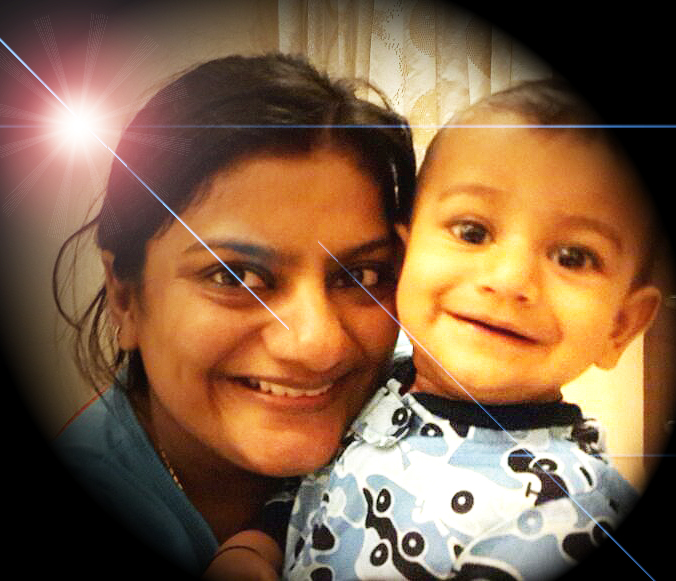
    Chef Arti Shroff with her munchkin!


    P.s. In the recipe you could add blueberries I suppose! (For the vegans attempting this, egg-replacers should do)


  • Project Focus #1: Featherlite Retail Store

    If space is a canvas, one on which life enfolds, then retail spaces are a prima donna kind of canvas. A space where the product on display is the star, where space itself then takes a back-seat, mostly illuminating the goods while other times iterating as a showcase. The design of the Featherlite showroom tries to do just that, mostly illuminating the fine office-furniture and at other times transforming into a showcase that angles the goods. As a brand that deals in top of the line fine office furniture with a scientific bent, as a brand that believes in innovating work-spaces, the firm required a retail space that complements its philosophy. Rendering the store a minimal and zen-like quality the entire space is en-robed in a palette doused by emphatic levels of the pristine color white. The brand’s logo adorns the signboard in striking white letters on a red aluminium sheet while the show window is decorated by a C-shaped angular shelf framing the display pieces, here dapper-black chairs are assembled. The angular frame also is a pedestal that focuses on the latest range orchestrated off the glazed display window. Brand graphics are mounted on the external granite wall showcasing visual imagery of the merchandise.

    This slideshow requires JavaScript.

    Envisioned as a pure white canvas that draws attention to the office furniture, the flooring is kept to one single level, for ease in testing out the furniture, in gleaming white, on which the products stand out. As the products on display are office furniture, mainly chairs and modular systems, tables and storage systems, flexibility of space is kept paramount. The gleaming white floor kept at one level facilitates easy sliding of the chairs in and out of their designated spots when required. A host of chairs provide a cheery greeting at the entrance in the centre, while each of the adjoining walls are used for display. The Northern wall for instance, has double-decked arrangement, a tiered level of chairs while the Southern wall has premium products settled in a prescribed space with graphic manuals showcasing their features on square panels secured above corresponding chairs. Lighter products that can be easily lifted of the solid wooden shelf are placed on the upper tier. Placed below on the Northern display wall, are the more robust or heavier products. As an extension to the shelf, are caved in display units housing quirky models produced by the brand. These display units along the wall are finished by a seamless unit holding up the television that showcases additional products and projects completed by the 3-decade old company. Flushed in white the television panel is used as a shelving unit from its one side. The Southern wall is finalized with vertical longitudinal members in white demarcating one unit from the other. The information graphics housed above the chairs help explain the functions and use of the premium office chairs that are displayed. The idea is to read the information in tandem, allow for easy comparison and hence help to make a well-informed decision of which product to buy!

    This slideshow requires JavaScript.


    As the brand sells, chairs and tables, modular systems and storage’s, the internal space is designed to create an optimum and well laid out floor plan housing all the products the brand offers. Once the chair display ends, a huge square-grid beveled mirror panel is installed that adds artistic depth to the showroom and hints at an additional flow of space. The diagonally arranged table in front of the beveled mirror panel is a discussion space that is the keystone between the two major products of the store, and this is where customers learn more about the products. As the day progresses, sun-light streams into the store, also marking the gradual movement of the sun. From noon on-wards, in the afternoon, sunlight strikes into the middle area of the store, thereby the mirror is deliberately and precisely placed to harbor the day-light into the deeper ends of the store. The huge beveled mirror thus creates a dazzling effect during the day serving two purposes of heightening the space and achieving optimum levels of daylight within the entire store space.

    Ahead the store takes a dynamic shift to the left into the area that is used for the display of executive cabin furniture. The speed and route map of the wandering customer is predetermined by the cautious diagonal arrangement of the furniture. Placed at angles, the patron is cajoled to slow down and appreciate the furniture from all angles. Assessing the furniture from all directions also is beneficial to envision the furniture in different possible locations they are likely to be subscribed for. At the far end of the store, the office space is planned, all equipped with the needs of a retail space. By tucking in the workings, the entire store is dedicated and designed keeping in prime view, the needs of the buyer and the product solely.

    Topped over is a sleek white ceiling dimension, one that drops down a notch and works its way through dynamic angles leading a consumer into the store. From its start it adopts a dynamic tangent and follows into the store indicating a rough idea of the space within. At the entrance the ceiling is punctuated by deconstructed ribbon-like stainless steel lights highlighting the dapper-black and luxury chairs that take center-stage. LED lights are geometrically placed across the leveled ceiling and the recessed ceiling, casting ambient light across the store. Optimum lighting levels are maintained to allow for a non-disruptive clear display. Additional track-lights are included to create accent lighting within the store creating pockets of focus lights for the staged display.

    The store is thus a white box wherein the work-space possibilities are conceptualized in a seemingly endless space, a canvas, a setting that showcases the product as a background-score. White is expansive, white is non-debilitating, white is exhibitive allowing for free-thinking, vastness, openness and symbolizing space. In the retail space it is used as a canvas taking different forms, sometimes caving in, sometimes standing out, sometimes with a hint of gloss, other times in matted simplicity, in sleek angles, in shy joinery, in bold grooves or as a framed legacy.


    Project Data

    Architects                   : Form and Space

    Location                      : Hyderabad, India

    Area                              : 1350 sft

    Project Completed  : November, 2014

    Construction Time : 1 month

    Photograph credits: Vishal Siddamsetty

  • Colombo is the capital city of Sri Lanka and the city where Bawa practised architecture. His house, office and the paradise cafe are must visit places for the Bawa-fans, those who do the Bawa trail like a pilgrimage.

    IMG_2696

    Residence no 11 on the 33rd lane was Bawa’s residence and office at one point of time, today it serves as a museum and boutique address of guest residence. When we visited his house, Jhonty Rhodes, the cricketer and his wife were guests.

    IMG_2799

    Though small in comparison to all the luxury hotel properties Bawa built, his house located in a posh locality is a combination of three houses that Bawa bought over the years and he reworked the spaces every time. Sealed in white the interior spaces are punctuated by smaller pocket-sized courtyards and skylights to let in light into the framed spaces of the house.

    IMG_2775

    The house is home to many pieces of art work and books that make up the architect’s cultural collection. Some are done by friends, some by his colleagues, some by local artisans and others bought over his frequent travels. Another hobby of Bawa apart from landscaping was that, travel and over years of travel his collection of books and art is laudable.

    IMG_2770

    Completed in a neat facade, his house carries his trademark style throughout. His love for cars is also quite well-known, even today his Rolls Royce is parked in the garage a haunting memory of the architect who built for the classes, with the spirit of the masses.

    IMG_2759

    Apart from Bawa’s home and office, Colombo as a city is the capital for 20 million people. A colonial past, a cricketing legacy, cleanliness, infrastructure in terms of buildings and roads, by the Chinese (!), great textile industry, barefoot – the store, odel, a promising skyline are a few striking things about Colombo! One of my fellow traveller noticed the large number of ‘broom-shops’ all over the place! Cleanliness is a top priority, and it shows. Colombo though, is indeed a microcosm of the nation.

    IMG_2757


  • The estate at Lunuganaga remained Bawa’s muse for all his life soon after he bought it. Awe-struck and in love with the Italian gardens on his travels to Europe he decided to build his own Italian garden when he returned after years of study to be a barrister. He bought a cinnamon and rubber plantation and began transforming it into his dream Italian garden estate. Thus explaining the David in the landscape!

    IMG_2531

    His foray into the field of architecture too began with the Lunuganaga estate. As he began working on transforming the estate, his interest in architecture was piqued and Bawa began his years at the Architectural Association in London once he made up his mind on the field.

    IMG_2519

    The backwaters of the Bentota River make their way to Bawa’s estate and provide a serene active water-front providing much needed creative inspiration in sync with the natural surrounds. The built masses are spread over the estate where Bawa spent his weekends mulling over a design challenge or building prototypes of railings or facades. Each room is equipped with a bell producing a unique sound that could alert Bawa’s helpers of their required assistance and for them to know where exactly Bawa needed them!

    IMG_2500

    In addition art-works dot the estate, Bawa patronized his many artist friends and art forms a central focus in almost all of Bawa’s spaces. The furniture at the estate is again kept to Bawa’s style, solid teak and minimalistic. Chequered black and white flooring, ochre on focus walls, white plastered brick and pitched roofs framed in black are what compile the Lunuganga estate.

    IMG_2469

    All the landscape on the estate are experimental in their specie kind or even the way they are allowed to grow. Bawa would clearly deliberate and manipulate his favorite kind, the frangi-pani into growing as he wanted them to grow, to create his intended effect at large.

    IMG_2518

    The effect of rolling hills is another intention that is expressed in the landscape design.

    IMG_2533

    Bawa’s weekend home served him as a creative playground wherein he polished his ideas to later imbibe into his many projects across the island.

    IMG_2534


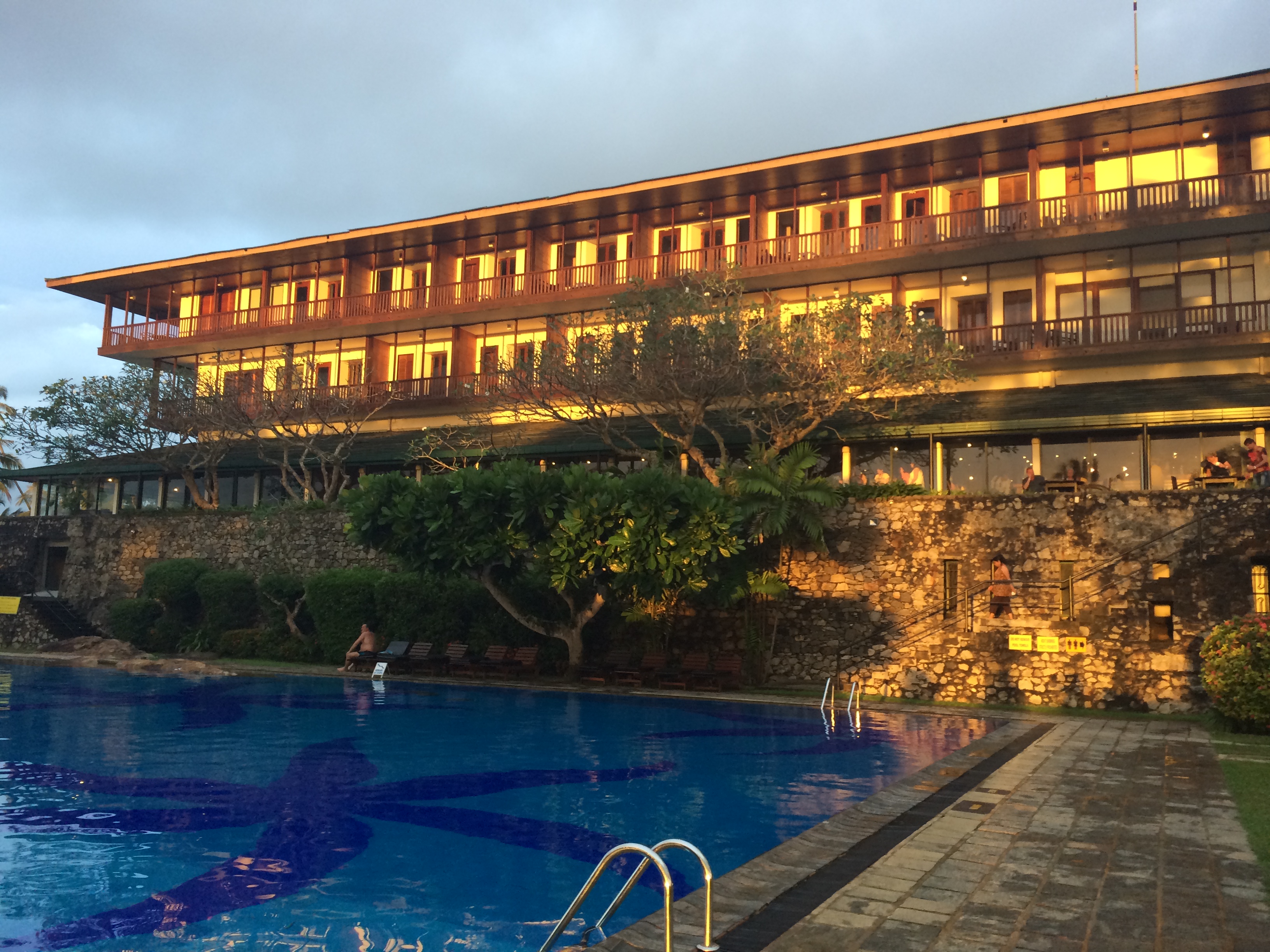
  • The Bentota Beach hotel along the sea in Bentota was one of Bawa’s earliest projects commissioned by the Sri Lankan government. The young architect then took inspiration from traditional Sri Lankan architecture with the pitched roofs, a central courtyard, the frangi-pani tree, stepped in facade volumes and tropical verandahs. Facing the western coastline of Sri Lanka, the Bentota beach hotel is set on the terrain bordered by a railway line and the beach. Swimming pools here again are set on the rocky terrain.IMG_2406


    The setting sun beams its rays on the lightly set hotel building lighting up the facade in a golden gleam.


    IMG_2466

    The hotel is a part of a larger urban development plan of the region, designed as a leisure spot for tourism.

    IMG_2454The courtyard on the upper level, are fraught with beautiful Frangi-panis composed in a pool of placid waters. On a particularly overcast morning, tones of grey frame the aesthetically inclined plants. In the rooms, Bawa has articulated the facade to incorporate varied windows. The hotel was first intended to not be air-conditioned and thus louvers are used extensively to serve as second tiered screening systems, cutting out the sun whilst drawing in the breezes. A much-wanted functional aspect in tropical design.
     
    IMG_2447Fabrics and burmese teak form the bulk of the interiors in addition to brightly used color in the interiors. The reception area is canvas to beautifully done Batik fabric work on the ceiling. The rooms though in spatial planning seem very cramped and crowded in their design, something that could only be attributed to a lack to finesse yet in the young architect. Or witness to the fact that it was only practise that honed Bawa’s skills to make him an exceptional architect, his better works came after all the experimentation and follies. Creativity is thus a proponent of freedom to make mistakes. Rome was after all, not built in a day!
    IMG_2408

    The beach, with the golden sun, is the best part if the Bentota Beach Hotel.

  • Though the Heritance Kandalama hotel incorporates great tenets of Bawanesque design, the Lighthouse hotel in Galle is essentially my favorite of Bawa’s work. Its not so much of the architectural design features as such, the building doesn’t even look exceptionally stunning, but it is largely delightful and is composed of one of those rare happiness inducing quality in its spaces. It was by far my most favourite on the trail.

    IMG_2246

    The entrance lobby leads one onto the grand metal art staircase that was commissioned by Bawa to portray the Portuguese’s coming to Sri Lanka. The swirling central staircase is topped by a dome with an occulus in Rome’s Pantheon, the classy touch of the Pantheon is widely beautifully crafted and endearing.

    IMG_2186

    All the common areas of the hotel are then placed in the same vertical plane over the reception, all the spaces drawing in the balmy breeze of the majestic Indian Ocean. From the decks of the Lighthouse Galle one is staring into oblivion with the only other landmass being the continent of Antartica. The rooms are then laid out along singly loaded corridors overlooking the ocean. From every corner of the hotel one is treated to the active waters and the breeze I must say, never left my mane! The active breezy atmosphere of the hotel is its most stunning feature, its almost as if Bawa orchestrated the architectural masses as the sails of a ship that worked the breezes to their advantage and drew in literally the ocean currents.

    IMG_2185

    With dabs of turquoise in the windows and the doors, a dash of yellow on the walls and furniture swathed in solid well made Burma teak the delightful quality of the spaces is extended into the interior rooms, mainly through the well balanced proportions. Garnering inspiration from the Galle Fort with all its ramparts Bawa captures the very essence of the charming and delightful town of Galle!

    IMG_2219

    The rooms and the ensuite of this particular hotel deserves a special mention. They are indeed beautifully crafted.

    IMG_2180

    The mischievous breeze also shattered our door glasses! And also brought with it the superstitious 7 years of good luck!

    IMG_2140

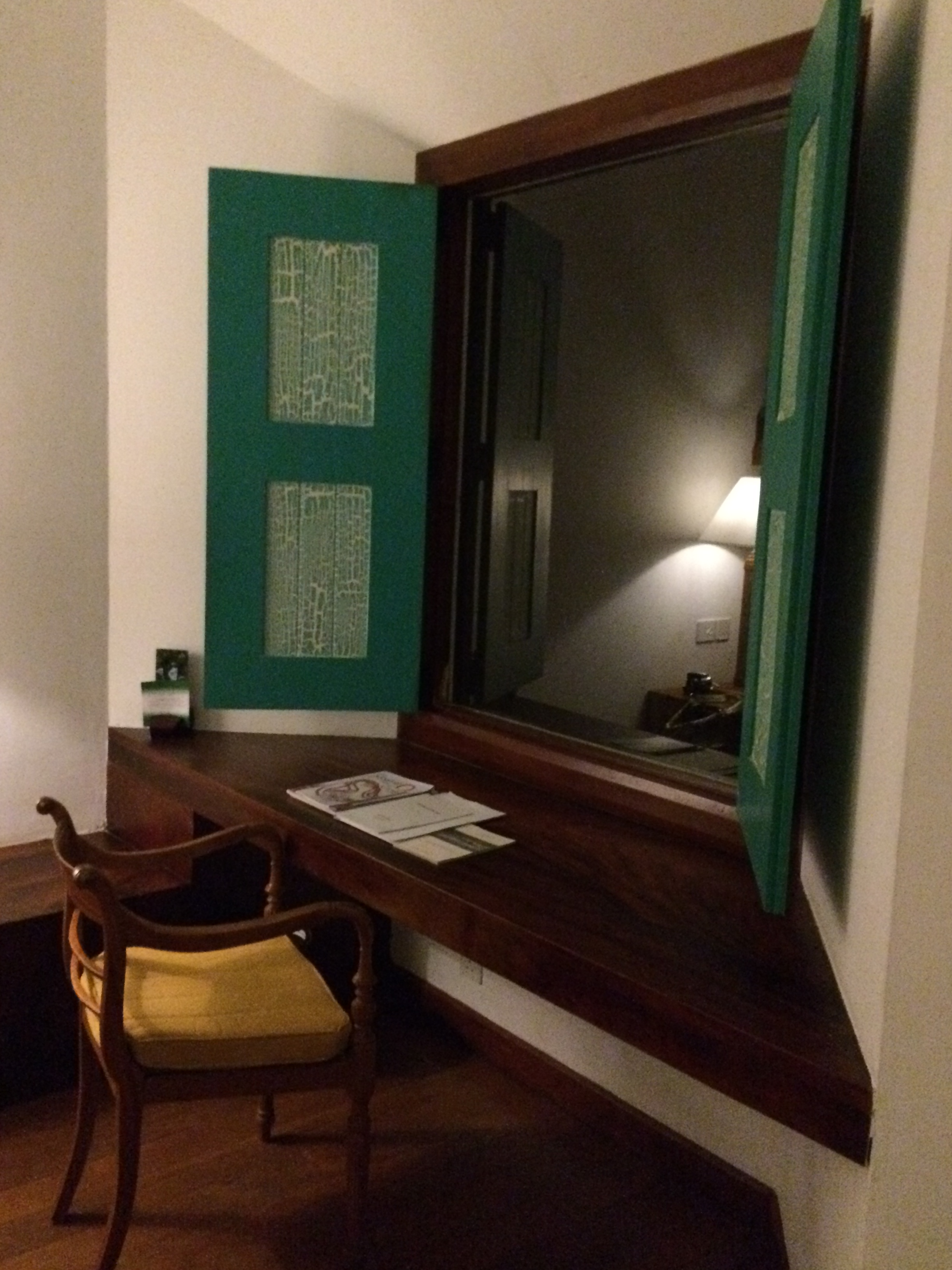
    The study that is neatly tucked into a corner with an ocean view to die for! The most inspiring study, ever.

  • Kandy is essentially a hill-station brightly centered in Sri Lanka with its main attraction being the tooth relic temple that is one of the major Buddhist centres in the world. Everyday thousands of beautifully bloomed lotus flowers are offered to the Buddhist Lord while the tooth relic is exhibited only when grievous natural disasters occur. Like the last time the tooth relic was displayed was during the tsunami, lest it loses its power.

    IMG_2087[1]

    At the tooth-relic temple one cant help but ponder over symbolism in Buddhism. From lighting of lamps, to offering lotuses the religion is steeped in symbolism. Like a lotus we must strive to grow beautifully rising untouched and unaffected by the muddy waters of life. Being honest, true and good in spite of a less than ideal surround. While the lighting of the lamp signifies banishing the darkness and welcoming the good, enlightenment into our lives.

    IMG_2091[1]

    The temple in Kandy sees several visitors who come to pray for good health, happiness, money or other things one would want in life! The temple architecture in itself is rather assembled with a stupa, the pitched roof, a flat slab all merged into one. But the temple takes immense pride in its intricate detailing. The flooring finishes for example flow beautifully like carpets out of the stairways upto the temple. The main entrance is canvas to excellent Sri Lankan art on its roof. The shocking myriad of colors are placed with mighty aplomb across the ceiling.

    IMG_2099[1]

    While musicians flock the main griha of the temple and sound the drums all thought is focused onto the Buddha or rather the very present moment. Like all temples this one too reverberates with positive ions and has a rather grand experiential quality.

    IMG_2101[1]

    On a morning walk across the lake in Kandy I was welcomed by friendly walkers and citizens of this spiritually steeped city.

    IMG_2100[1]

  • King Kasyapa built his capital in central Sri Lanka on the rock of Sigriya. In a rare case of urban planning he used the Sigriya or Lion Rock, measuring a massive 200 metre in height, on top on which he built his palace. The Unesco World Heritage Site is filled with colorful frescos and paintings from the 400 CE. The palace was later used as a Buddhist monastery till the 14th century.

    IMG_2043[1]

    The lions paw is mighty impressive, and the climb leads up to panoramic views of the River, through boulder gardens and a vast landscape. The mirror wall is so highly polished so that the King could see himself as he walked along it. Like most national monuments the wall today boasts of undying love with names gaining immortality!

    IMG_2033[1]

    On a bright sunny day we climbed up to the top with other tourists, guides and several local Sinhalese for company. The attached museum to the site provides useful information of the life and the times of the people in the palace and kingdom at large. In a rare case of nature and architecture the rocks are retained mostly, though flattened at the top to house the king’s palatial quarters.

    IMG_2055[1]

    The ancient urban planning faces west-wards with axial lines drawn clearly across the site. Though severely hot and humid at the height of 660 ft with no other structure in sight, clear winds are drawn atop the structure that make the ascent and the summit very comfortable.

    IMG_2049[1]

    Holding on to dear life while making descent it is only very clear why Sigriya is sometimes called the eighth wonder of the world. Like most monuments, it definitely required much innovation and intelligence to construct and live in thereafter. The advantage over a prospective enemy though is very keenly observed. Like usual, bricks are used extensively for the structure.

  • The Heritance Kandalama at Dambulla is a luxury 5-star property managed by the Atkins Spence group a microcosm of its surrounds and a hotel that offers noticeably the best of Sri Lanka. Overlooking the Kandalama lake, the hotel was designed by Geoffrey Bawa in the early 1990s, as a landmark project built in spite of political instability and the threat of a civil war in the region. The project was brave for its time, path-breaking in terms of innovation, spectacular in its concept and well thought of in its use. Today while serving its function brilliantly, serving up world-class hospitality, it merges seamlessly into its surrounds, fashioned by a leafy elevation that camouflages the building completely.

    IMG_1900[1]

    The hotel does not show itself up right until the very last moment when one pulls up closer into the lobby. The narrow reception facing the lobby is a linchpin that connects 2 parts of the 1 km long Heritance Kandalama hotel. All the rooms look out into the lake or the vast lush greens of the sloped terrain. A singly loaded corridor also means that a guest is in for a natural treat stepping out and taking the long winding walk to the other areas of the hotel. Swimming pools set on natural rock formations are positioned across the various levels of the hotel including one infinity pool. IMG_1880[1]

    Completely set apart from the traditional style of Sri Lankan architecture, or even his own style, Bawa reinvents by incorporating a flat slab, a green roof and leafy external facade offset from the building fascia. Leafy creepers are then allowed to grow down shading the extensive verandahs and balconies across the hotel. Bawa’s minimalism and his approach to fuss free architecture is further extended into furniture that follow neat lines and solid texture. Burma teak, Bawa’s favorite wood kind finds its use liberally along with painted MS furniture, the proportions of which are again lofty and generous.

    Studying the benches in the country’s railway stations Bawa came up with specific chairs that are set in the black expanse of the Kandalama floor.

    IMG_1951[1]

    Paying attention to the architectural tenets of light and shadow, orientation, color and texture, Bawa creates a delightful hotel, a retreat into nature naturally welcoming friendly fauna into the estate. Orchestrating wood and metal, the fineness of metal is inescapable. Whether as a railing or as staircase supports the metal railing is kept under a centimeter in dimension and creates a playful rhythm in the elevation. The visual finesse of metal and the bulk of wood are inversely related to their structural strength.

    IMG_1947[1]

    Peeking onto the volumes of space created are quirky touches to the scale, manifesting themselves as erratic balconies or naturally growing vines with a mind of their own. Stepping out of tune, these architectural elements add interest and create spaces to frame and appreciate the beautiful landscape that the hotel is embedded in.


    IMG_1955[1]


    As the landscape takes over the architecture, spaces are transformed into a green haven. Here below is a green roof that takes over just as the green walls finish.

    IMG_1964[1]

    The 1 km long hotel has a spa tucked into its one end, the visual treat that the corridors provide are all a part of the spatial experience intended by the architect.

    IMG_1885[1]

    In Bawa’s imitable style is the lighting design in line with his signature style is simple, effective and stark.

    IMG_1892[1]Apart from offering delights that are architectural, the Heritance Kandalama whips up rather delightful offerings to the guests. Note the Sri Lankan art that Bawa uses to dress up the interiors. Most of Bawa’s work house work of eminent artists, with their works adding scale to the architecture that acts as a befitting background.
    IMG_1857[1]

    Swathed in black the restaurant interiors were first conceived by Bawa and later renovated on by Bawa’s aid Channa Daswathe.

    IMG_1856[1]

    Surrounded by rich scenic beauty, Bawa’s Kandalama is a great place to reflect upon in Dambulla, the heart of the island, with pretty lotuses and much avocados for company!

    IMG_1908[1] IMG_1907[1]

    IMG_1854[1]

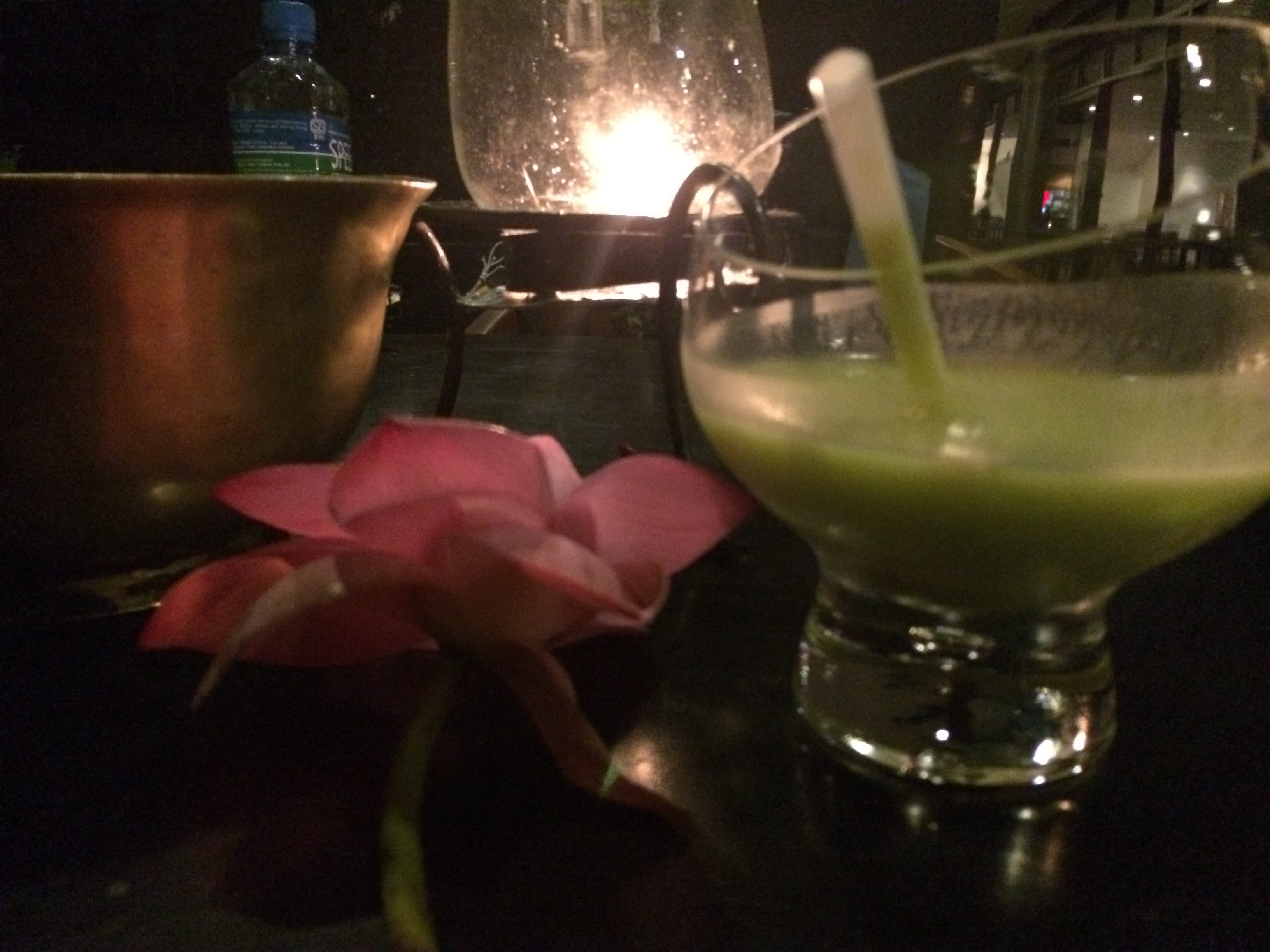
    An ideal day of respite at the Kandalama, lake, lotus, breeze and an avocado shake.